
- Top Pick: Roveity 1 Person Backpacking Tent, Lightweight Double-Wall Tent for Hiking | one man trekking shelter compact outdoor gear wilderness trail thru hike camping equipment
- Best Value: Roveity 2 Person Backpacking Tent, Lightweight Double-Wall Tent for Hiking | two man couples trekking shelter compact outdoor gear wilderness trail shared camping equipment
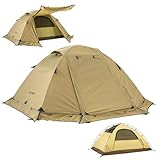
- Premium Choice: GEERTOP 2 Person Blackout Camping Tent, Waterproof 4-Season Easy Setup | Blackout Interior, Lightweight, Snow Skirt, Freestanding Aluminum Poles, Double-Wall, Hiking, Mountaineering, Weekend Trips
The best double wall tent depends on how you carry it: the Big Agnes Copper Spur UL2 and Tiger Wall UL2, the NEMO Hornet OSMO 2 and the MSR FreeLite 2 suit weight-conscious backpackers who want poles and two doors, the Durston X-Mid 2 suits trekking-pole users, and the Naturehike Cloud-Up 2 or North Face Trail Lite 2 suit people who want a true double wall without a premium outlay. This guide is written for gamers who also head outdoors for LAN trips, festivals, esports travel or plain weekends away, and it explains what the double wall design is, which models reviewers keep naming for 2026, and where each one falls short.
As an Amazon Associate we earn from qualifying purchases at no extra cost to you.


What a double wall tent actually is
A double wall tent has two separate layers: an inner tent made largely of breathable mesh and fabric, and an outer rainfly that sits above it with a gap in between. Moisture from your breath escapes through the inner mesh and condenses on the cooler fly rather than on the wall beside your sleeping bag. Single wall shelters skip the inner layer to save weight, which is why they tend to drip more in humid or cold conditions. The trade-off for the double wall design is a little more weight and a longer pitch, though modern freestanding examples go up in a few minutes.
Reviewers at CleverHiker, Backpacker, SectionHiker and GearJunkie all treat double wall construction as the default for three-season camping because it handles condensation, keeps bugs out and lets you vent the tent in rain. The same outlets split on the question of whether to choose a freestanding tent with dedicated poles or a trekking-pole design. That choice is the first decision below.
Quick comparison table
| Tent | Best for | Key details reported by makers and reviewers | Limits |
|---|---|---|---|
| Big Agnes Copper Spur UL2 / HV UL2 | All-round two-person backpacking | Two doors, two vestibules, tall peak; CampReviewLab lists about 1.4 kg trail weight | Premium tier; thin fabrics need careful handling |
| Big Agnes Tiger Wall UL2 | Light weight with dedicated poles | CleverHiker lists 2 lb 8 oz, two doors | Premium tier; semi-freestanding style needs stakes for best shape |
| NEMO Hornet OSMO 2 | Lightweight two-person use | Reported at 2 lb 8 oz packed, matching the Tiger Wall UL2 | Narrow interior for two larger sleepers |
| NEMO Hornet OSMO 3 | Extra space for three people or gear | Backpacker says it adds 12 sq ft for 13 extra ounces | Heavier than the two-person version |
| MSR FreeLite 2 | Weight-focused hikers | CleverHiker lists 2 lb 5 oz with dedicated poles | Less roomy and less durable fabrics than heavier tents |
| Durston X-Mid 2 | Trekking-pole users wanting a true double wall | CleverHiker calls it a favorite hybrid; costs much less than Dyneema pole shelters | Needs trekking poles, stakes and a good pitch |
| Tarptent Double Rainbow DW | Affordable lightweight double wall | Treeline Review lists 43.8 oz | Mid-range tier, less roomy per ounce than premium models |
| North Face Trail Lite 2 | Budget three-season use | Backpacker names it best budget tent | Heavier than ultralight picks |
| Naturehike Cloud-Up 2 | Lowest-cost true double wall | CampReviewLab reports about 1.8 kg | Heavier; fewer durability reports from long-term users |
| REI Half Dome 2 Plus | Comfort and floor space | OutdoorCrunch lists 35.8 sq ft of floor space | Heavier, built for comfort rather than speed |
| NEMO Kunai 2P / MSR Access 2 | Shoulder season and colder trips | Kunai is a 3-4 season design; MSR Access 2 is listed at 3 lb 10 oz | Heavier and warmer; overkill for summer |
Weights vary by what is counted (trail weight, packed weight, with or without stuff sacks and stakes), so compare numbers from the same source when you can.
Freestanding or trekking-pole
Freestanding and semi-freestanding
Tents such as the Copper Spur, Hornet OSMO, FreeLite and Half Dome use dedicated poles that hold the shape without stakes, which makes them easy to pitch on platforms, rock or sand where staking is hard. They are also easy to shift a few feet after pitching. If this is your first double wall tent, reviewers generally steer you toward this style because it is forgiving.
Trekking-pole shelters
The Durston X-Mid 2 and Durston X-Dome 2 are the names that come up most when reviewers discuss pole-supported double walls. CleverHiker describes the X-Mid 2 as pairing the low weight of a trekking-pole shelter with a double wall’s condensation control. The cost of that saving is a stake-dependent pitch, so on ground where stakes will not hold you will want guy-line anchors such as rocks. If you do not already own trekking poles, factor that in before choosing the lowest-weight option.
How to choose
Capacity and floor space
A two-person label is a minimum, not a comfort rating. Two sleepers plus bags and a pack in the vestibule is the realistic use case, and several reviewers suggest sizing up if you are tall or carry bulky gear. The Half Dome 2 Plus, with 35.8 sq ft of floor space listed by OutdoorCrunch, and the Hornet OSMO 3 are examples of stepping up in room. If you plan to camp alone, a one-person version cuts weight, but you lose the ability to bring a friend along.
Doors and vestibules
Two doors with two vestibules mean nobody climbs over a sleeping partner and each person has their own storage. The Copper Spur UL2 and Tiger Wall UL2 are cited for this layout. Single-door budget designs save weight and money but are less convenient.
Weather rating
Most of the tents above are three-season shelters. The NEMO Kunai and MSR Access are described by reviewers as stronger for snow or wind. Do not use a lightweight three-season tent as a winter shelter; follow the maker’s stated seasonal rating and snow-load guidance.
Fabric thickness and durability
Ultralight tents reduce weight with thin floors and flysheets. They are fine with a footprint or groundsheet and careful site selection, but they do not tolerate dragging or rough ground. Heavier budget tents often use sturdier fabric, which matters for festival use or frequent trips.
Waterproofing and seam care
New tents ship with factory seam taping, but reviewers still advise seam checks, a first pitch at home and re-treating the fly over the years as the coating ages. Always store the tent dry.
Budget tiers
- Budget: Naturehike Cloud-Up 2, North Face Trail Lite 2 and the Featherstone Obsidian and Granite models are described by reviewers as low-cost double wall options. Expect more weight and fewer long-term reports.
- Mid-range: Durston X-Mid 2 and Tarptent Double Rainbow DW offer strong weight-to-space ratios with some trade-offs in setup.
- Premium: Big Agnes Copper Spur and Tiger Wall, NEMO Hornet OSMO, MSR FreeLite and Hubba Hubba lines sit at the upper end and are named most often by reviewers for fit, finish and low weight.
Pick X if you…
| If you… | Pick |
|---|---|
| Want the most-recommended all-rounder | Big Agnes Copper Spur UL2 |
| Care most about low weight with poles | MSR FreeLite 2 or NEMO Hornet OSMO 2 |
| Already own trekking poles and want a smart-value shelter | Durston X-Mid 2 |
| Need more room for gear or a third person | NEMO Hornet OSMO 3 or REI Half Dome 2 Plus |
| Camp in shoulder season with wind or cold | NEMO Kunai 2P or MSR Access 2 |
| Are buying your first double wall on a tight budget | Naturehike Cloud-Up 2 or North Face Trail Lite 2 |
Alternatives to consider
- Single wall trekking-pole shelters: Lighter and simpler, but more prone to condensation. Better in dry climates.
- Hammock systems: Good where trees are plentiful and ground is rough, but they need a tarp and an underquilt for cooler nights.
- Large car-camping tents: If weight does not matter, a bigger family-style double wall tent gives more standing room for much less cost per square foot.
Common mistakes
- Buying on weight alone, then finding the interior too tight for two people and gear.
- Ignoring the minimum weight versus trail weight distinction between brands.
- Forgetting stakes, guy lines and a footprint, which are sometimes sold separately.
- Pitching a new tent for the first time in the dark or in rain.
- Using a three-season tent in heavy snow or exposed alpine wind.
Care and setup notes
Pitch the tent at home first and follow the maker’s instructions. Keep the rainfly tight so it does not touch the inner mesh, which defeats the point of the double wall. Open vents in damp conditions. Dry the tent fully before packing it for storage, and keep it out of prolonged direct sun when not in use, since UV can degrade fabric coatings. Never use stoves or open flames inside or near the tent.
Frequently Asked Questions
Is a double wall tent better than a single wall tent?
For three-season use in humid or changeable weather, reviewers generally prefer double wall tents because the separate fly handles condensation and allows better ventilation. Single wall shelters win on weight and simplicity, and they work best in dry, cold or windy conditions. The better choice depends on climate and how much you value low pack weight.
Do I need a footprint for a double wall tent?
Many makers sell a matching footprint or groundsheet, and it is a common suggestion for protecting thin ultralight floors. A cheaper alternative is a cut piece of polycryotab or similar material. Follow the manufacturer’s guidance for your specific model and warranty terms.
Is a trekking-pole double wall tent harder to pitch?
Reviewers say tents like the Durston X-Mid 2 take a little practice to get tight, since they rely on stake placement and pole height. Once learned, many users find the process quick. Freestanding tents are easier for beginners and on surfaces where staking is not possible.
How much does a two-person double wall tent weigh?
Reviewers list ultralight freestanding models around 2 to 3 pounds, such as the MSR FreeLite 2 at 2 lb 5 oz and the Tiger Wall UL2 at 2 lb 8 oz. Heavier comfort or budget tents run more, and the Naturehike Cloud-Up 2 is reported at about 1.8 kg. Compare weights from the same source and note whether stakes and stuff sacks are included.
Can I use a three-season double wall tent in winter?
Not safely in heavy snow or severe wind. Three-season tents use more mesh and lighter poles. For winter, look at the maker’s four-season or mountaineering designs and follow their stated weather limits.
Which double wall tent is best for a first-time buyer?
A freestanding two-door model is the easiest to use. The Copper Spur UL2 is the most commonly recommended premium pick, while the North Face Trail Lite 2 and Naturehike Cloud-Up 2 are the budget options reviewers mention. Choose based on weight, space and how often you plan to camp.


Write Your Review
No reviews yet. Be the first to share your experience!