
- Top Pick: ARBELI 24V 4WD 2 Seater Ride on Toy Car for Kids 3-8, EVA Tires, Pink
- Best Value: Blissride 24V Ride on Toys w/Remote Control, 4WD Kids Ride on Truck Car, 3 Speed, Bluetooth Music, Wide Seat, Spring Suspension, LED Light, Birthday for Boys Girls Toddler (Black+Red)
- Premium Choice: BLISSRIDE 24V Ride on Toys, 2 Seater Kids Electric Car w/Remote Control, 4X4 Motor, 3 Speed, Bluetooth Music, Spring Suspension, LED Light, Off Road Power Car Wheel for Boys Girls Ages 3-8(Pink)
The best 24V ride-on toys balance speed, battery life, and terrain ability for kids roughly 6–12 years old — and the right pick depends mostly on your child’s weight and whether you’re riding on grass or pavement. Below we compare the leading models and spec classes side by side so you can match one to your kid and your yard.
As an Amazon Associate we earn from qualifying purchases at no extra cost to you.


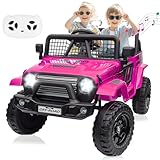

Why 24V Instead of 12V
Moving from 12V to 24V roughly doubles the power available at the wheels. In practice that means top speeds around 7–10 mph instead of 3–5 mph, real hill-climbing ability on grass and dirt, and enough torque to carry heavier riders without bogging down. The trade-off is that 24V vehicles are heavier, faster than most toddlers can handle, and typically cost in the $400–$800 range versus $200–$350 for 12V models. If your child is under about 5 or weighs less than 50 lbs, a 12V model remains the safer and more sensible choice.
How the Top 24V Models Compare
| Model | Top Speed | Weight Limit | Battery / Runtime | Terrain | Assembly |
|---|---|---|---|---|---|
| Peg Perego Polaris Ranger RZR 24V | 3.5 / 7 mph (2 speeds + reverse) | 150 lbs (two riders) | 24V 12Ah, ~45–60 min | Grass, dirt, moderate hills | Moderate (~60–90 min) |
| Peg Perego Polaris Sportsman 850 24V | 3.5 / 7 mph | 130 lbs | 24V 12Ah, ~40–60 min | Grass, gravel, trails | Moderate (~60 min) |
| Peg Perego Gaucho XP 24V | 4.6 / 8.7 mph | 150 lbs (two riders) | 24V 12Ah, ~40–55 min | All-terrain, inclines up to ~17% | Higher (~90+ min, large vehicle) |
| Razor Dirt Quad (24V) | 8 mph | 120 lbs | 24V (2×12V 7Ah), ~40 min | Hard-packed dirt, pavement, light grass | Low (~20–30 min) |
| Generic 24V 2-seater UTV class (various brands) | 5–9 mph | 130–200 lbs claimed | 24V 7–10Ah, ~30–60 min | Varies; rubber tires handle grass better | Varies widely (60–120 min) |
Peg Perego Polaris Ranger RZR 24V — Best for Two Riders
The Ranger RZR seats two kids side by side with a combined 150 lb limit, making it the default choice for siblings. A lockout pin lets parents cap it at the slower 3.5 mph speed until kids build skill. Large traction wheels and rear suspension handle lumpy lawns that stall cheaper ride-ons, and Peg Perego’s replacement parts support is among the best in the category — batteries, chargers, and gearboxes are all obtainable years later.
Peg Perego Gaucho XP — Best for Hills and Rough Ground
The Gaucho XP is the most capable off-roader in the mainstream 24V class, rated for inclines around 17% thanks to dual motors and aggressive tires. It tops out near 8.7 mph, the fastest of the Peg Perego line. The catch: it’s a big vehicle that needs real riding space, and assembly is the most involved here — budget an evening and a second pair of hands for mounting the roll bar and wheels.
Razor Dirt Quad — Best Value for One Older Kid
Razor’s Dirt Quad is a different animal: a sit-astride ATV with twist-grip throttle rather than a foot pedal, aimed squarely at ages 8+. It hits 8 mph with genuinely sporty handling and assembles in under half an hour. The trade-offs are a lower 120 lb limit, a smaller 7Ah battery pack, and plastic-tread tires that struggle on wet grass — it’s happiest on pavement and dry dirt.
Understanding Real-World Battery Life
Advertised runtimes assume a light rider on flat pavement. You can estimate your own runtime with a simple power budget. A typical 24V ride-on draws 15–20 amps under moderate load. A 12Ah battery on paper contains 24V × 12Ah = 288 watt-hours, but lead-acid batteries only deliver about 60–70% of rated capacity under real discharge rates, so expect roughly 180–200 usable Wh.
Worked example: a 90 lb rider on grass draws about 18A continuously. At 18A on a 12Ah pack with ~65% usable capacity, runtime ≈ (12 × 0.65) ÷ 18 ≈ 0.43 hours, or about 26 minutes of continuous grass riding. The same rider on pavement at 12A gets closer to 39 minutes. This is why “one hour” claims evaporate in the backyard — grass roughly doubles current draw. If extended play matters, look for models accepting aftermarket lithium batteries or buy a second lead-acid pack (~$60–$100) and rotate.
One more spec-sheet gap: lead-acid packs need an initial 18–24 hour charge and should be charged after every use, even short ones. Letting them sit discharged over winter is the single most common way these batteries die permanently.
Decision Matrix: Match the Model to Your Situation
| Your situation | Best fit | Why |
|---|---|---|
| Two kids ages 4–8, flat lawn | Polaris Ranger RZR | Two seats, 150 lb combined limit, parent speed lockout |
| Hilly yard or gravel trails | Gaucho XP | Highest torque and incline rating; aggressive tires |
| One kid 8+, driveway and dirt paths | Razor Dirt Quad | Sporty handling, cheap to assemble and store |
| Limited budget, flat pavement only | Generic 24V UTV with 7Ah pack | Lower price; terrain demands are minimal anyway |
| Small yard under ~2,000 sq ft | Razor Dirt Quad | Compact footprint; UTVs need room to turn |
What to Check Before Buying
- Tire type: Smooth plastic wheels are fine on pavement but spin on wet grass. Look for knobby tread or rubber traction strips if your yard is the main riding space.
- Speed lockout: For riders under 7, a parent-controlled low-speed mode (usually via a pin or screw under the seat) is effectively mandatory at 24V speeds.
- Braking: Most ride-ons brake by cutting power when the pedal releases — verify this works, since at 8+ mph it matters. Disc brakes on models like the Razor are a genuine upgrade.
- Battery access: Check whether the battery is user-swappable. On some UTVs it sits under a screwed-down seat, making mid-play swaps annoying.
- Parts availability: Established brands sell replacement batteries, chargers, wheels, and gearboxes. For generic brands, confirm spares exist before buying — a dead proprietary battery can brick the whole vehicle.
- Riding space: A two-seat UTV needs roughly a 15 ft turning circle. Measure your yard, not your enthusiasm.
FAQ
What age is right for a 24V ride-on?
Most manufacturers rate them for ages 5–6 and up, with pedal-and-steer coordination being the real requirement. Models like the Razor Dirt Quad with a twist throttle suit ages 8+. Always start kids on the locked low speed.
Can I upgrade a 12V ride-on to 24V?
It’s possible but rarely wise. The stock motors, gearboxes, and wiring aren’t designed for double voltage, so you’ll burn out gearboxes quickly. Budget the difference toward a proper 24V model instead.
How long does the battery last before needing replacement?
With consistent charging habits, a lead-acid pack typically lasts 1–3 seasons. Charging after every ride and storing it charged indoors over winter makes the biggest difference.
Do I need to assemble anything myself?
Yes — all 24V ride-ons ship partially disassembled. Expect 20–30 minutes for the Razor and 60–120 minutes for UTV-style vehicles. A cordless screwdriver, the included tools, and a helper for lifting are all you need.
Ready to decide? Our #1 pick for 2026 is the Peg Perego Polaris Ranger RZR 24V.
Live price & availability on Amazon.







Write Your Review
No reviews yet. Be the first to share your experience!