
Top Rtx 2080 Gpu This Turing Picks for 2026
Here are our current top rtx 2080 gpu this turing picks, compared on real Amazon owner reviews, price, and features. Live prices update below.

Prime
Best Seller
MSI Gaming GeForce RTX 2080 Super 8GB GDRR6 256-Bit HDMI/DP Nvlink Torx Fan Turing Architecture Overclocked Graphics Card (RTX 2080 Super Ventus XS OC) (Renewed)


As an Amazon Associate we earn from qualifying purchases at no extra cost to you.
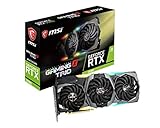


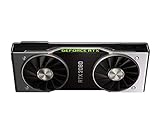
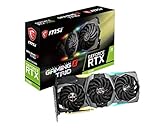

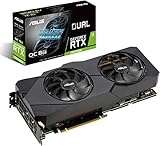
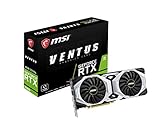
rtx 2080 GPU shoppers in 2026 are almost always looking at the used and refurbished market, and that changes the entire evaluation from a launch-day review into a value-hunting exercise. Originally a $699 flagship built on NVIDIA’s Turing architecture, this card pioneered consumer ray tracing and DLSS before either was mainstream. Years later, the real question is whether its aging silicon still earns a place in a modern build, or whether your money is better spent elsewhere. This review synthesizes long-term owner reports and current performance data to give you an honest, resolution-by-resolution answer.
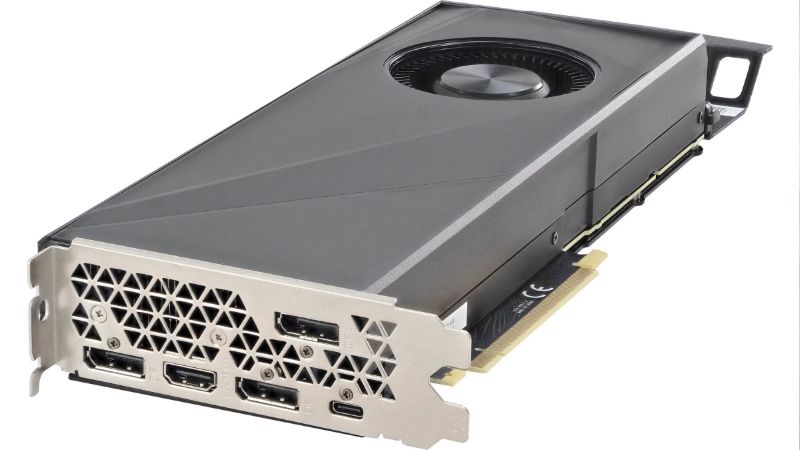
Understanding What the RTX 2080 GPU Brings to a Modern Build
To judge a legacy card fairly, you have to separate what it was designed for from what games demand today. The RTX 2080 GPU still has real strengths, but its limits are equally important to map out before you commit, because the gap between its best-case and worst-case scenarios is wider than on most cards.
Core Specifications of the RTX 2080 GPU
The RTX 2080 is built on Turing with 2,944 CUDA cores, 8 GB of GDDR6 memory on a 256-bit bus, and a 215W power rating. It includes first-generation RT cores and second-generation Tensor cores, which means it supports ray tracing and DLSS 2, but not the newer DLSS 3 Frame Generation found on later architectures.
Analytically, the 256-bit bus remains a genuine asset, delivering memory bandwidth that many newer mid-range cards match only through faster memory types. The weak point is the 8 GB buffer, which in 2026 sits right at the edge of comfort for high-texture titles at 1440p, and which is the spec most likely to dictate whether you enjoy or fight with the card in newer games.
It is also worth noting the architectural context: Turing was the bridge generation that introduced the RT and Tensor hardware everything since has built upon. That makes the RTX 2080 historically significant, but it also means its ray-tracing and AI hardware are the first, least efficient implementations of features that have since improved dramatically.
Real-World Gaming Performance Today
In practical terms, the RTX 2080 GPU still delivers a smooth 1080p experience at high settings across most titles and remains capable at 1440p with sensible settings adjustments. Esports and older AAA games run effortlessly, frequently well above 100 frames per second, which is exactly the workload many secondhand buyers target.
At 1440p the experience is more conditional. Well-optimized titles run comfortably, but the most demanding recent releases will ask you to dial back textures or effects to stay within the 8 GB buffer and maintain stable frame-times. This is where the card’s age shows most clearly, and where matching expectations to reality matters.
The honest caveat is modern, heavily ray-traced releases. First-generation RT cores struggle with the path-traced effects in current showcase titles, and the lack of DLSS 3 removes the frame-generation crutch that newer cards lean on. For those games you will be lowering settings or skipping ray tracing entirely, which is a reasonable trade for a budget purchase but should be a conscious one.
In concrete terms, expect to play recent shooters and open-world titles at 1080p high with comfortable headroom, and at 1440p with a mix of high and medium settings once textures are kept within the buffer. Competitive players chasing very high refresh rates will find the card especially happy at 1080p, where it can push frame rates that keep fast-paced gameplay responsive. The key is to treat settings as a dial rather than expecting maximum everything, which is the normal compromise for any value-oriented card of this generation.
What Long-Term Owners Report on Amazon
Owner sentiment skews positive among buyers who set realistic expectations. The 4-and-5-star reviews highlight durability, strong 1080p and 1440p performance in their library of choice, and excellent value when bought used at the right price. Many treat it as a reliable bridge card that buys them time until prices on newer hardware settle.
A recurring positive theme is longevity: a large number of owners report multiple years of trouble-free use, which speaks well of Turing’s build quality and thermal headroom. For a card being sold secondhand, that track record is reassuring.
The 2-and-3-star reviews are more measured and worth respecting. They cluster around two themes: the 8 GB buffer causing stutter in newer titles, and concerns about fan wear or coil whine on heavily used units. These complaints reinforce a practical rule for this card, which is to inspect the specific unit’s condition, ask about its prior workload, and match expectations to its generation rather than to a current-gen card.
Market News That Affects RTX 2080 GPU Value in 2026
Even a legacy card’s price is shaped by what is happening at the cutting edge of the market, and two developments are quietly propping up used GPU values rather than letting them drift down as older hardware normally would.
The H200-to-China Decision and Its Ripple Effect
With the United States allowing NVIDIA to sell H200 AI chips to China, the company has strong financial incentive to prioritize high-margin data-center silicon over consumer GPUs. Because those enterprise chips compete for the same limited manufacturing capacity, fewer wafers go toward new consumer cards.
Tighter new-card supply pushes more budget buyers toward the used market, which keeps demand, and therefore prices, for cards like the RTX 2080 firmer than simple age would suggest. In a normal market a six-year-old card would be nearly free; in this one it retains meaningful resale value.
Rising Component Costs Lift the Used Market
Climbing prices for memory, PCBs, and power components are raising the cost of every new card. When new hardware gets more expensive, the relative appeal of a capable used card grows, and that demand spills into secondhand pricing. The RTX 2080 GPU benefits from this dynamic, holding value better than a five-plus-year-old card normally would.
This is a structural rather than temporary shift, which is the key point for a buyer weighing whether to wait. The baseline cost of new silicon is rising, so the used market it anchors to is unlikely to soften meaningfully in the near term.
What This Means for Your Buying Timeline
The practical implication is that the used RTX 2080 is unlikely to get dramatically cheaper while new-card inflation continues. If you find one in good condition at a fair price, acting promptly is reasonable, because the broader market pressure is upward rather than downward.
The smarter play is to focus on condition and price rather than timing the market. A clean, well-cared-for unit at a fair number today is a better outcome than waiting months for a drop that current conditions suggest will not arrive. You can compare current listings and condition through the link in this section.
Pros, Cons, and the Verdict on the RTX 2080 GPU
With the performance picture and market context established, here is the balanced trade-off analysis that should drive your decision, framed around the kind of buyer each strength and weakness matters to.
Pros and Cons of the RTX 2080 GPU
The strengths are a wide 256-bit memory bus, solid 1080p and capable 1440p rasterization, DLSS 2 support, and strong value when bought used at the right price. For a card of its age, it remains surprisingly relevant for mainstream gaming, and its proven durability lowers the risk of a used purchase.
The weaknesses are the 8 GB buffer, weak first-generation ray tracing, no DLSS 3 Frame Generation, higher power draw than modern equivalents, and the inherent risks of buying used hardware. These factors make it a situational pick rather than a universal recommendation, and they sharpen as your target resolution and graphical ambitions rise.
Who Should Still Buy This Card
From a real-world standpoint, the RTX 2080 GPU suits budget builders, 1080p gamers, and anyone assembling a capable secondary or backup system without spending on new silicon. It is a sensible bridge for players whose libraries lean toward esports and older AAA titles, where its performance is still genuinely strong.
It is a poor fit for buyers chasing modern ray tracing, 4K gaming, or future-proofing. Those users should put their money toward a current 16 GB card instead, because the RTX 2080’s first-generation features and 8 GB buffer will limit them in exactly the scenarios they care about. Buying the right tool for the workload is the whole game here.
One practical tip is to pair the RTX 2080 GPU with a balanced rather than top-tier system. A modern mid-range processor, 16 GB of system memory, and a 1080p high-refresh monitor form a sensible match that lets the card stretch its legs without bottlenecking it or leaving performance on the table. Spending the remainder of your budget on a quality monitor and a reliable power supply often improves the day-to-day experience more than chasing a slightly faster GPU at this tier.
Frequently Asked Questions
Is the RTX 2080 GPU still good in 2026? For 1080p and many 1440p titles, yes. For heavy ray tracing and 4K, it shows its age.
Should I buy a used RTX 2080? Only at a fair price and after checking the unit’s condition. It is a value pick, not a future-proof one.
Does the RTX 2080 support DLSS? It supports DLSS 2 but not DLSS 3 Frame Generation, which is exclusive to newer architectures.
How much power does the RTX 2080 need? At 215W it pairs well with a quality 650W power supply, though used units benefit from a clean, reliable PSU.
See more:
Recommended Products

PowerColor
PowerColor Twin Fan AMD Radeon RX 7800 XT 16GB GDDR6
GIGABYTE
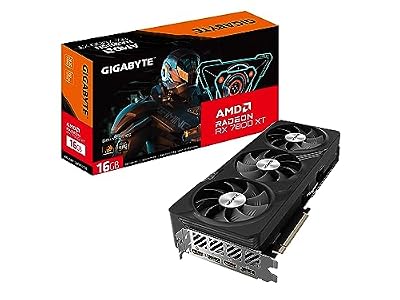
Gigabyte Radeon RX 7800 XT Gaming OC 16G Graphics Card, 3X WINDFORCE Fans 16GB 256-bit GDDR6, GV-R78XTGAMING OC-16GD Video Card

ASUS
ASUS Dual Radeon RX 7600 EVO OC Edition 8GB GDDR6 Gaming Graphics Card
As an Amazon Associate we earn from qualifying purchases. Product prices and availability are accurate as of the date/time indicated.
Conclusion
The verdict on the rtx 2080 GPU in 2026 is nuanced but clear: it is a capable, durable card that still delivers strong mainstream gaming when bought used at the right price, and current market inflation actually helps it hold value. It is not the choice for cutting-edge ray tracing or 4K, but for budget-conscious 1080p and 1440p builders it remains a genuinely sensible option, especially while new-card pricing keeps climbing and the broader market shows no sign of making newer hardware cheaper any time soon.

Write Your Review
No reviews yet. Be the first to share your experience!