
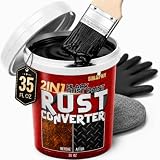
- Top Pick: 2 in 1 Rust Converter & Metal Primer, 35 oz Rust Reformer Paint for Metal | For Rusty Car Chassis, Frame, Trailer, Truck & Undercarriage, Heat-Stable Rust Encapsulator & Inhibitor, Matte Black
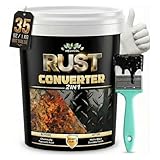
- Best Value: 2 in 1 Rust Converter & Metal Primer, 35 oz Black Rust Reformer Paint for Metal, Trailer, Truck Frame, Car Chassis, Ultra Rust Encapsulator & Inhibitor, Heat Resistance Rust Neutralizer & Conversion
- Premium Choice: Rust Converter & Metal Primer, 141 Fl Oz Black Rust Inhibitor Paint for Metal, Automotive Rust Reformer, Industrial Grade Water Based, Heat Resistance & UV Resistant
For general outdoor metal such as railings, gates and tools, Rust-Oleum Stops Rust is the paint most reviewers name first; POR-15 is the usual pick for automotive and chassis work, Hammerite suits decorative and textured finishes on garden metalwork, and Krylon rust-protective sprays are a fast-drying choice for small jobs. Surface preparation matters as much as the product you choose.
As an Amazon Associate we earn from qualifying purchases at no extra cost to you.


At a Glance: Rust-Prevention Paints
| Product | Best for | Reported traits | Limits |
|---|---|---|---|
| Rust-Oleum Stops Rust (spray and brush-on) | General outdoor metal; value | Bob Vila’s comparison of metal spray paints picked Stops Rust 5-in-1 as top choice; a brush-on review describes a rust-inhibitive oil alkyd that goes over light surface oxidation | Slow cure; one source cites about 24 hours between brush coats and days to full hardness |
| POR-15 | Automotive frames, undercarriage, heavy rust | Described as drying very hard and stopping corrosion over clean rust | Needs careful prep and skin protection; reviewer sites rating it often sell it |
| Hammerite | Gates, garden tools, decorative finish | Can be applied directly to rust per one source; textured, hammered look | Less independent coverage |
| Krylon Rust Protector and Rust Tough | Small projects; fast drying | Comparison says Rust-Oleum’s cured film is a bit tougher and has the longest outdoor record; one retail-site reviewer found Krylon’s hammered paint covered better | Reviewers find staying power below Rust-Oleum |
Several ranking sites promote their own product lines, so treat numerical scores with caution and rely on the maker’s technical data sheet for coverage, recoat times and surface compatibility.
How Rust-Prevention Paints Work
Rust forms when iron or steel reacts with oxygen and moisture. Paints help in three ways. Barrier coatings keep water and air from the metal. Inhibitive primers contain pigments or resins that slow corrosion at the surface. Rust converters or rust-tolerant coatings bond to light, stable rust and seal it. No paint cures rust once it is flaking and deep; loose scale needs to be removed first.
Brand by Brand
Rust-Oleum Stops Rust
This is the broadest line, with spray, brush-on and hammered finishes. The hammered matte black spray is described in retail user feedback as popular. A review of the brush-on quart calls it an oil alkyd that can go on directly over light oxidation without a separate primer. The trade-off is time: recoat intervals and full cure take longer than quick-dry enamels. It is commonly suggested for railings, fences, patio furniture and tools.
POR-15
POR-15 is a moisture-cured coating system used on vehicle frames, floor pans and similar parts. One guide says it dries hard and stops corrosion over clean rust. It typically requires degreasing and a metal-prep step, plus gloves and ventilation, because the uncured product is hard to remove from skin and surfaces. Follow the maker’s data sheet, including top-coating guidance for UV exposure.
Hammerite
Hammerite is known for its hammered finish and the ability to go on directly over rust after loose material is brushed off, according to one source. It suits gates, railings and garden tools where a textured, decorative coat is welcome. Independent coverage is lighter than for Rust-Oleum, so review the maker’s instructions and any local availability.
Krylon Rust Protector and Rust Tough
Krylon’s sprays dry quickly and are convenient for small projects. A comparison reports Rust-Oleum’s cured film as slightly tougher with a longer record on exterior metal, while a retail reviewer preferred Krylon’s hammered coverage. Both views are plausible, which is why the intended use should decide.
Preparation Steps That Matter Most
- Remove loose rust and flaking paint with a wire brush, scraper or sanding pad.
- Clean oil, grease and dirt with a degreaser, then rinse and dry thoroughly.
- Sand glossy old paint lightly so the new coat can grip.
- Apply in the temperature and humidity range stated on the label; many coatings specify a window.
- Apply thin coats rather than one heavy layer to avoid runs.
- Allow the stated recoat time and full cure before use or exposure to heavy moisture.
Pick X If… Decision Table
| Pick | If you… |
|---|---|
| Rust-Oleum Stops Rust spray | want a widely reviewed all-rounder for outdoor furniture, railings or tools |
| Rust-Oleum Stops Rust brush-on | have larger areas and can wait through longer recoat times |
| POR-15 | are restoring a vehicle frame or undercarriage and will prep carefully |
| Hammerite | want a textured decorative finish on gates and garden metal |
| Krylon | need a fast-drying spray for a small repair |
Budget Tiers
- Budget: Krylon sprays and Rust-Oleum spray cans for small areas.
- Mid-range: Rust-Oleum brush-on quarts and Hammerite tins for larger surfaces.
- Premium: POR-15 kits, which usually come with prep products and cost more per area but target demanding automotive use.
Where Each Type Fits
- Wrought iron and railings: A brush-on or spray oil alkyd, or a hammered finish for a decorative look.
- Vehicles and trailers: POR-15 style coatings on frames; use a UV-stable topcoat where exposed.
- Tools and garden items: Hammerite or Rust-Oleum spray.
- Galvanized metal: Needs a primer made for galvanized surfaces; read the label.
- Food-contact or drinking water surfaces: Do not use general rust paints unless the maker states they are rated for that use.
Safety Notes
Work outdoors or in a well-ventilated area and wear a respirator suited to the product, gloves and eye protection. Many rust coatings are flammable while wet; keep away from flames and follow the label. Old paint on buildings may contain lead, so test and follow local rules before sanding. Dispose of rags and leftovers as directed, since solvent-soaked rags can be a fire hazard. If a product contacts skin or eyes, follow the first-aid statement on the label and seek medical help if irritation persists.
Common Mistakes
- Painting over flaking rust and expecting a long life.
- Skipping degreasing, which causes poor adhesion.
- Applying in cold or damp conditions outside the label range.
- Laying on thick coats that run or stay soft.
- Choosing a decorative finish for a part that needs maximum corrosion protection.
- Trusting ranking sites that sell the product they rank first.
Alternatives
- Rust converters, which chemically alter light rust before topcoating.
- Zinc-rich primers for structural steel.
- Powder coating for removable parts, done by a professional.
- Wax or oil-based protectants for tools and hidden cavities.
Frequently Asked Questions
Can I paint directly over rust?
Some products, such as Rust-Oleum Stops Rust and Hammerite, are described as suitable over light surface rust, but loose scale and flaking should be removed first. The maker’s data sheet states what level of rust it tolerates. Heavily pitted metal needs more prep.
Which rust paint lasts longest outdoors?
Comparisons report Rust-Oleum Stops Rust as having a long record on exterior metal, while POR-15 is favoured for vehicle undercarriages. Actual life depends on preparation, coat thickness and exposure to salt and moisture.
Do I need a primer?
It depends on the product. A review of brush-on Stops Rust says it can go straight over light oxidation without a separate primer, while other systems call for a primer or topcoat. Follow the label for your chosen product.
How long should I wait before recoating?
Times vary. One review notes about 24 hours between brush coats for an oil alkyd and several days for a full cure. Spray products usually dry faster. Use the time stated on the can.
Is POR-15 hard to use?
It needs thorough preparation and good protective gear because it is difficult to remove from skin once it starts to cure. Many users take extra care with masking and ventilation. Read the maker’s instructions fully before starting.
Can I use rust-prevention paint on galvanized steel?
Often only with a primer designed for galvanized surfaces, since standard coatings may not stick well. Check the product label for galvanized compatibility and contact the maker if unsure.



Write Your Review
No reviews yet. Be the first to share your experience!