
- Top Pick: VEVOR Pottery Wheel for Adults 14in/35cm 450W Professional Pottery Kit | DIY Art Clay Potter's Wheel for Kids Adults Beginners at Home Pottery, 0-6in Lift-Table, Foot Pedal, Detachable Basin, White
- Best Value: Huanyu Pottery Wheel Machine 10" with Foot Pedal for Adults Beginners | Electric Ceramic Wheel At Home Use Beginner-Friendly Easy to Center DIY Art Clay Potter's Wheel Max 20 lbs Capacity
- Premium Choice: Alldeer Mini Pottery Wheel for Kids, Beginners, Adults, 6" Clay Wheel | All-in-One Kit, Adjustable Speed, Two-Way Rotation, Removable Splash Tray, 18PCS Tools, Christmas Gift for Kids Girls Boys
The best at-home pottery wheel is a compact, quiet electric wheel with a reversible foot pedal and enough motor torque to center the amount of clay you actually throw, with the Speedball Artista, the Shimpo Whisper and Aspire, and the Brent CXC and Brent Model C families being the names beginners meet most. Gamers who want a screen-free craft hobby will find that space, noise and clay weight decide the purchase more than any feature list.
As an Amazon Associate we earn from qualifying purchases at no extra cost to you.

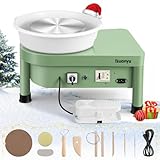

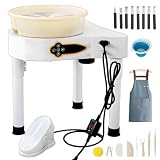
At a Glance: Home Wheel Families
| Family | Best for | Key point | Limits |
|---|---|---|---|
| Speedball Artista | First-time hobbyists | Compact, lower power class | Not for large amounts of clay |
| Shimpo Whisper and Aspire | Home studios wanting a quiet drive | Known for low noise and steady speed | Mid to premium tier |
| Brent CXC / Model C | Serious hobbyists and studios | Strong torque for bigger loads | Heavier, larger and costlier |
| Compact tabletop wheels | Small apartments | Portable and simple | Limited clay capacity and power |
| Kick wheels | Quiet, electricity-free studios | Manual flywheel | Needs space and some skill |
Motor ratings, wheel head sizes and weight limits differ between models. Use the maker’s own specifications when comparing, since this guide does not quote numbers it could not confirm.
What to Look For
Motor power and torque
Centering clay takes torque. A weaker motor can stall when you push into a heavy lump. Makers list their motor in horsepower or watts and often state a recommended clay capacity. Choose a wheel whose stated capacity exceeds your typical piece size, since you will eventually want to throw more than you do at first.
Speed range and control
A wide speed range with smooth control from slow to fast makes both centering and trimming easier. A foot pedal is the standard method, and a hand control can suit people with limited foot mobility. Check that the pedal gives gradual response rather than jumping.
Reversible rotation
Reversing direction helps left-handed potters and certain trimming techniques. Most home wheels offer a switch.
Wheel head size and splash pan
The wheel head holds the bat or clay. A larger head suits bigger work, while smaller heads suit small bowls and cups. A removable splash pan makes cleaning far easier, and a leaky or shallow pan makes a mess in a home setting.
Noise and vibration
Belt-driven and direct-drive designs differ in noise. Makers who market quiet operation are worth a look if you live in an apartment or share a wall. A stable, heavy base reduces vibration.
Space, Power and Practical Setup
A wheel needs a stable table or stand, a spot where water and clay slip will not damage floors, and a nearby outlet. Pottery is wet and messy: cover surfaces with boards or plastic and keep electrical connections off the floor. Use a properly grounded outlet and keep the controller and plug dry, following the maker’s manual. If you are unsure about your wiring, ask a qualified electrician. Wearing an apron and keeping hair and jewelry clear of the wheel head helps safety.
Clay dust and safety
Dried clay produces silica dust. Wipe surfaces with a damp sponge rather than sweeping, and consider a mask when sanding or cleaning up dry material.
Beyond the Wheel: What You Also Need
- Clay appropriate for your firing method.
- Bats or plaster discs to carry work off the wheel.
- A basic tool set with ribs, wire cutter, needle tool and sponges.
- A bucket for water and slurry; do not pour slurry down a drain.
- Access to a kiln. Most home potters fire at a community studio or pay a local studio, because kilns require space, ventilation and electrical work.
Pick X If… Decision Table
| If you… | Choose | Reason |
|---|---|---|
| Are trying pottery for the first time | Speedball Artista or similar compact wheel | Lower entry cost and size |
| Live in an apartment | Shimpo Whisper or Aspire | Quiet drive |
| Throw larger pieces regularly | Brent CXC or Model C | More torque and stability |
| Have a very small space | Compact tabletop wheel | Fits on a bench |
| Prefer no electricity | Kick wheel | Manual operation and quiet |
Budget Tiers
Budget tier
Entry wheels like the Speedball class are suitable for small pieces and learning. Their trade-off is lower torque, so heavy clay may stall them. Expect to outgrow them if you advance quickly.
Mid-range tier
Shimpo wheels typically occupy this space, with a quieter drive and better speed control. Reviewers in pottery communities often describe these as a sensible long-term choice for a home studio.
Premium tier
Brent wheels are built for heavy use and bigger clay loads. They are large and heavy, which suits a dedicated studio more than a bedroom.
Alternatives
- Hand building: Pinch, coil and slab techniques need no wheel and are a good way to test your interest.
- Community studio classes: You get wheel time, clay and kiln access without owning equipment.
- Used wheels: Can offer strong value, but check the motor, pedal and wiring condition carefully.
Learning Curve Notes
Centering clay is the hardest early skill and often takes weeks to feel reliable. Start with smaller amounts of clay, use consistent wheel speed, and keep your elbows braced against your body. Many beginners find that a few classes before buying a wheel reveal whether they enjoy the process.
Common Mistakes
- Buying a wheel with too little torque for the clay you want to throw.
- Ignoring noise in a shared home.
- Forgetting about a kiln or firing plan.
- Letting water reach electrical parts.
- Not budgeting for tools, clay and bats.
Frequently Asked Questions
How much clay can a home wheel handle?
That depends on the motor. Makers state a recommended clay capacity, and it is wise to select a model that exceeds your usual piece weight so the wheel does not stall.
Do I need a kiln at home?
No. Many potters use community studios or local firing services. A home kiln requires ventilation, space and often electrical upgrades, so consult an electrician and the kiln maker.
Are portable tabletop wheels any good?
They suit small pieces and tight spaces. Their limits are lower power and capacity, so they are better for learning than for production work.
How loud are pottery wheels?
Noise varies by drive design. Wheels marketed as quiet are an advantage in apartments. Placing the wheel on a mat can reduce vibration noise.
What is a bat and do I need one?
A bat is a removable disc that attaches to the wheel head so you can lift finished pieces off without distorting them. They are a standard accessory.
Can I dispose of clay slurry in the sink?
Generally not, as clay can clog plumbing. Let slurry settle in a bucket, pour off clear water, and dispose of the solids in the trash or reclaim them.



Write Your Review
No reviews yet. Be the first to share your experience!