
Our Short List of 3

- Best for: Hunters who want one adjustable call for buck, doe, and fawn vocalizations.
- Brand: Illusion Systems
- Model Number: 741
- Part Number: 741
- UPC: 755050057411
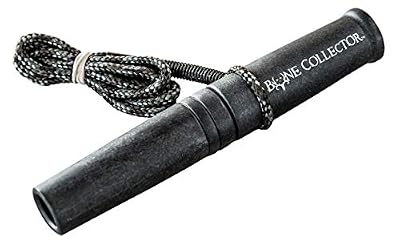
- Best for: Rut hunting where estrus sounds and mature buck grunts are both needed from one call.
- Brand: Bone Collector Game Calls
- Product Name: The Contender
- Call Type: Deer grunt call
- Vocalization Range: From doe-in-estrous to mature buck grunts, per the product title

- Best for: Simple, repeatable estrus bleats during the rut, especially for new callers.
- Brand: Primos Hunting
- Product Name: The Original Can
- Model: PS7064
- Call Type: Deer estrus bleat call
All 3 Picks at a Glance
| Product | Specs | Action |
|---|---|---|
| Illusion Systems Extinguisher Deer Call |
| Check price on Amazon |
| Bone Collector Game Calls The Contender |
| Check price on Amazon |
| Primos Hunting The Original Can Deer Call |
| Check price on Amazon |
A good deer call does one simple job: it lets you sound like another deer at the moment a buck or doe is close enough to care, without adding movement or noise that gives you away. The problem is that deer make very different sounds, from a soft fawn bleat to a deep, territorial buck grunt, and no single call handles every one of those sounds equally well.
This guide compares three proven styles side by side: an adjustable multi-tone grunt tube, a versatile all-vocalization grunt call, and a foolproof estrus bleat can that needs no breath control at all. Read the how-to-choose section first, match the call type to the phase of the season you hunt most, and then pick the option that fits how simply, or how flexibly, you want to call.
Quick Picks
As an Amazon Associate we earn from qualifying purchases.
| Product | Best for | Key spec from title |
|---|---|---|
| Illusion Systems Extinguisher Deer Call | One call for buck, doe and fawn sounds | Adjustable 10-in-1 Call |
| Bone Collector Game Calls The Contender | Covering every vocalization with one grunt call | Versatile Deer Grunt Call for All Vocalizations |
| Primos Hunting The Original Can Deer Call | Simple estrus bleats with no practice | The Original Can Deer Estrus Bleat Call |
How to Choose
Start With the Sounds You Actually Need
Deer vocalizations fall into a few broad groups, and your hunting calendar decides which ones matter most. Contact grunts and doe bleats are everyday social sounds that work through much of the season, while estrus bleats become most relevant as does come into heat during the rut, and aggressive buck grunts or snort-wheezes speak mainly to territorial bucks in that same window. A hunter who mostly hunts the early season needs a convincing doe and fawn vocabulary far more than a challenge grunt. A rut-focused hunter needs the opposite balance. List the two or three sounds you will realistically use, in the weeks you actually hunt, before you compare any hardware.
Choose Between an Adjustable Reed and a Fixed Call
Adjustable grunt calls change pitch by moving a slide, reed position, or tone board setting, which lets one call cover fawn, doe, and buck registers. That flexibility is valuable, but every adjustment is a setting you can get wrong in the dark, with gloves on, while a deer is approaching. Fixed calls, including bleat cans, make one sound family very reliably and ask almost nothing of the user. If you are willing to practice at home until the slide positions become muscle memory, an adjustable call gives you the widest vocabulary. If you call rarely, or you want a sound you cannot easily ruin, a simple fixed call is often the smarter primary tool.
Think About Cold Weather and Freeze Resistance
Reed calls depend on a thin vibrating reed, and moisture from your breath can freeze that reed to the tone board on a cold morning, silencing the call exactly when late-season deer are moving. Some grunt tubes are built and marketed as freeze resistant, which matters if you hunt northern states in November and December. Bleat cans avoid the reed problem because they work by tipping the can rather than blowing through it, although they can still be affected by moisture and should be kept dry in a pocket. Whichever style you choose, plan how you will carry it so it stays warm, dry, and reachable without extra movement.
Check Size, Carrying, and How It Hangs
A deer call only helps if it is around your neck or in a chest pocket when a deer appears, not buried in a pack. Look at the overall length of a grunt tube, whether it includes or accepts a lanyard, and whether its shape catches on clothing or a bowstring as you raise it. Compact calls are easier to keep on your body all sit long, while longer tubes can offer a deeper, more resonant grunt. Also consider how quietly the call can be handled: hard plastic that clicks against a stand, a zipper, or a release aid can undo the value of a realistic sound, so soft handling and a secure lanyard matter more than they first appear.
The 3 Best Options
Illusion Systems Extinguisher Deer Call
- Best for: Hunters who want one adjustable call for buck, doe, and fawn vocalizations.
- Brand: Illusion Systems
- Model Number: 741
- Part Number: 741
- UPC: 755050057411
Hunters who want one adjustable call for buck, doe, and fawn vocalizations.
The slide positions need practice at home; guessing at a setting in the stand can produce the wrong register.
The Extinguisher is built around a single idea: one grunt tube that covers the whole deer vocabulary by sliding the reed adjustment instead of swapping calls. Its title describes it as an adjustable 10-in-1 call for buck, doe, and fawn sounds, and the listing presents it as freeze resistant, which addresses two common grunt-call frustrations at once, limited range and a reed that stops working in cold weather. For a hunter who wants one primary call on a lanyard through the whole season, from early doe contact sounds to deeper rut grunts, this is the most complete single-call option here, provided you learn its slide positions before the season opens.
Bone Collector Game Calls The Contender
- Best for: Rut hunting where estrus sounds and mature buck grunts are both needed from one call.
- Brand: Bone Collector Game Calls
- Product Name: The Contender
- Call Type: Deer grunt call
- Vocalization Range: From doe-in-estrous to mature buck grunts, per the product title
Rut hunting where estrus sounds and mature buck grunts are both needed from one call.
A wide vocalization range rewards callers who know when each sound is appropriate; it is not a set-and-forget call.
The Contender takes a similar one-call approach, and its full title states the promise plainly: a versatile deer grunt call for all vocalizations, from doe-in-estrous sounds to mature buck grunts. That range is exactly what a rut-focused hunter asks for, because the same morning can call for a soft estrus bleat and, minutes later, a deeper grunt aimed at a territorial buck investigating the first sound. Choosing a call that spans both ends of that exchange means you do not have to reach for a second call or add movement when the situation changes. It suits hunters who understand which sound a moment calls for.
Primos Hunting The Original Can Deer Call
- Best for: Simple, repeatable estrus bleats during the rut, especially for new callers.
- Brand: Primos Hunting
- Product Name: The Original Can
- Model: PS7064
- Call Type: Deer estrus bleat call
Simple, repeatable estrus bleats during the rut, especially for new callers.
It covers one sound family only, so it cannot produce buck grunts or general contact calls on its own.
The Can is the opposite philosophy to an adjustable grunt tube: instead of asking you to master breath control and reed settings, it produces an estrus bleat when you simply tip it over and back. That makes the sound repeatable for a complete beginner, or for anyone whose grunt-call technique falls apart under pressure when a buck is in sight. Its role is narrow by design. It makes the estrus bleat that matters most during the rut, the same way every time, and it asks for almost no practice, which is why many hunters carry one alongside a grunt tube rather than instead of one.
Which One Fits Your Situation
You Hunt the Whole Season With One Call
Choose the adjustable grunt tube. A call that slides between fawn, doe, and buck registers follows the season as deer behavior changes, from early social contact sounds to the deeper, more urgent vocabulary of the rut. The trade-off is practice time: spend a few short sessions at home learning where each register sits, so the adjustment is automatic long before a deer is standing in front of you and watching for movement.
You Mainly Hunt the Rut
Prioritize estrus and buck sounds. During the rut, an estrus bleat tells a searching buck that a receptive doe is nearby, and a mature buck grunt can challenge or reassure him as he closes in. A versatile grunt call that covers both ends of that conversation, or a bleat can paired with the grunt call you already own, matches this short, intense window better than a general-purpose call chosen for early-season sounds.
You Are New to Calling Deer
Start with the call you cannot easily get wrong. A bleat can produces its sound by being tipped, not by breath technique, so your first season can focus on timing, volume restraint, and watching deer react instead of on mechanics. Add an adjustable grunt call later, once you have heard real deer respond and have a clearer sense of which additional sounds your hunting ground and season phase actually call for.
You Hunt in Cold Late-Season Weather
Think about freezing before tonal range. Breath moisture can lock a reed call in bitter weather, so a freeze-resistant grunt tube, or a tip-to-use bleat can that does not depend on a blown reed, protects you from a silent call on the coldest mornings. Carry the call inside a layer rather than outside your jacket, and test it quietly before prime movement time rather than discovering a problem with a deer already approaching.
Common Mistakes
- Calling too often and too loudly: deer vocalize sparingly, so long, aggressive calling sequences usually sound wrong; short, quiet sounds with long pauses are more convincing and give approaching deer time to commit without locating you.
- Using rut sounds all season long: estrus bleats and challenge grunts are tied to breeding behavior, and using them heavily in the early season can educate deer and make them harder to call when those sounds would naturally matter most.
- Buying an adjustable call and never practicing with it: slide and reed settings only help if you can find each register by feel, in gloves and low light, so unpracticed flexibility often produces the wrong sound at the worst possible moment.
- Ignoring wind and setup before calling: a call can bring a deer looking for the source, and if that deer circles downwind or arrives while you are exposed with no shot lane prepared, a good sound simply delivers a deer you cannot take.
- Letting the call freeze, bang, or swing freely: a reed frozen by breath moisture, or a hard call clicking against a stand or zipper, can end an opportunity silently or loudly, so carry the call warm, secured on a lanyard, and handled with soft, deliberate movements.
Frequently Asked Questions
Do deer calls work on both bucks and does?
Yes, because deer are social animals and respond to each other’s sounds out of curiosity as well as breeding interest. Does and fawns investigate bleats and contact grunts, especially earlier in the season, while bucks respond most strongly to estrus bleats and other buck sounds during the rut. Match the sound to the season phase rather than expecting one call to work the same way in every week.
Should a beginner buy a grunt call or a bleat can first?
A bleat can is the easier first purchase because it makes a consistent estrus bleat with no breath technique, so a new caller can concentrate on timing and restraint. A grunt call offers far more sounds but needs practice to sound convincing. Many hunters end up carrying both, starting with the can during the rut and adding a grunt tube once they want contact grunts and buck sounds as well.
How often should you call when a deer is in sight?
Very sparingly. Once a deer has heard you and is looking or moving your way, additional calling usually adds risk rather than benefit, because each sound helps the deer pinpoint your exact position. A short call to stop or redirect a deer that is walking away can help, but a deer already approaching is best left to close the distance in silence while you prepare.
Can a deer call scare deer away?
Yes, if the sound does not fit the situation. A loud, aggressive buck grunt can intimidate a younger buck, an estrus bleat used far outside the rut can seem out of place, and any call used too often can make deer suspicious. Quieter, less frequent, season-appropriate sounds carry the least risk, and stopping as soon as a deer responds is usually the safest decision.




Write Your Review
No reviews yet. Be the first to share your experience!