
Our Short List of 3

All 3 Picks at a Glance
| Product | Specs | Action |
|---|---|---|
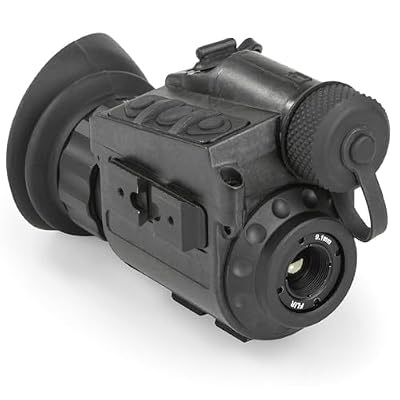
| FLIR Breach PTQ136 (B06XGS6611) — Best for Dedicated Helmet Mounting | Check price on Amazon | |
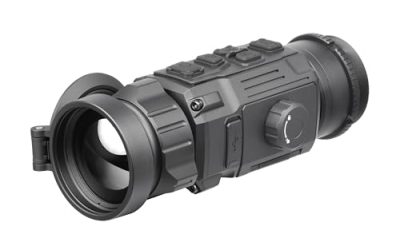
| AGM Taipan V2 19-320 (B0F62X3LH2) — Best for Helmet-Adapted Scanning | Check price on Amazon | |
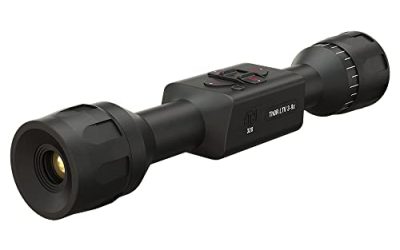
 TOPDON TS004 (B0D56CNCW1) — Best for Long Helmet Sessions | Check price on Amazon |
Introduction
The best thermal monocular for helmet use is the one that disappears into your setup: light enough to wear for hours, secure enough to stay put when you move fast, and simple enough to flip up the moment you need your unaided vision back. A handheld thermal monocular finds heat in total darkness, but the moment both hands are busy — holding a rifle, carrying gear, or climbing — a handheld unit becomes a liability. Helmet mounting turns a scanning tool into a hands-free awareness tool that moves where your head moves.
That is the angle this guide stays on. Every pick below is judged first as a helmet companion, not as a handheld scanner. Weight, balance, mounting hardware, eye relief, and battery life matter as much as sensor resolution. A heavy monocular pulls your head forward and strains your neck.
One honest limit up front: very few thermal monoculars are designed as dedicated helmet units. Most are handheld first, and helmet use depends on an adapter or mount arm that may be sold separately. Only one pick here is a true helmet-ready design with a built-in mounting rail. The other two are strong thermal monoculars that can be adapted to a helmet, and each section says so plainly. No rifle scopes are included here.
Quick Picks
| Product | Best For | Key Spec |
|---|---|---|
| FLIR Breach PTQ136 (B06XGS6611) | Dedicated helmet mounting and hands-free patrol work | 320×256 Boson sensor, 60Hz refresh, 7.4 oz body, mini-rail mount |
| AGM Taipan V2 19-320 (B0F62X3LH2) | Helmet-adapted scanning with a sharper mid-range sensor | 320×256 sensor, sub-20mK sensitivity, 50Hz refresh, IP67 rating |
| TOPDON TS004 (B0D56CNCW1) | Long helmet sessions without battery swaps | 256×192 sensor, 50Hz refresh, up to 11 hours of runtime, IP67 rating |
Quick answer: If helmet mounting is the priority, start with the FLIR Breach PTQ136 — the only pick here built around a helmet-mount rail and a weight that suits headborne use. If you mainly scan handheld and only sometimes wear the unit on a helmet, the AGM Taipan V2 19-320 gives you a stronger sensor, with an aftermarket adapter doing the helmet job. If your nights are long and you hate stopping to change batteries, the TOPDON TS004 and its long runtime deserve a close look, again with an adapter added for helmet use.
How to Choose the Best Thermal Monocular for Helmet
Helmet Mount Compatibility Comes First
Before sensor size or detection range, check how the monocular attaches to a helmet. A dedicated helmet monocular has a rail or dovetail that mates with a standard mount arm. A handheld monocular has none of these, and adapting it means finding a third-party clamp or cradle that fits its body without blocking buttons, the lens, or the battery door. Confirm the mount, the arm, and the helmet shroud as one system, not as three separate purchases.
Weight and Balance Decide Whether You Keep Wearing It
Helmet weight is felt in the neck, not in the hands. A monocular that feels light in a store can feel heavy after two hours on a helmet, especially if it hangs forward of the shroud. As a rough guide, anything under eight ounces is a strong starting point, and anything much heavier needs a counterweight at the back of the helmet to restore balance. Try the loaded helmet on at home first.
Sensor Resolution and Sensitivity Set What You Can Identify
A 320×256 sensor has enough pixels to separate a person from a deer-shaped heat blob at useful distances, while a 256×192 sensor detects heat well but gives up fine detail sooner. Sensitivity, listed as NETD in millikelvin, describes how small a temperature difference the sensor can register. A lower NETD number means the sensor picks up fainter heat contrasts, which matters on warm nights or in fog and light rain.
Refresh Rate Keeps the Image Steady While You Move
Refresh rate, measured in hertz, is how many times per second the thermal image updates. A helmet-mounted monocular moves every time your head moves, so a slow refresh turns every head turn into a smeared, lagging image. A 50Hz refresh feels smooth for most walking and scanning,. Units running at 25Hz or below can work when held still on a tripod, but they are a poor match for a helmet, where the whole point is to look around freely.
Eye Relief, Diopter, and One-Eye Use
A helmet monocular sits in front of one eye, leaving the other eye free for natural night vision and depth perception. That only works if the eyepiece lines up with your eye and the diopter adjustment lets you focus the display sharply without glasses getting in the way. Check whether the eyepiece can be adjusted forward and back, and whether the eye cup seals against light without pressing hard on your brow.
Battery Life and Power on the Move
Changing a battery in the dark with a monocular hanging off your helmet is awkward at best. Short runtime forces you to carry spares, stop often, and manage power instead of watching the ground ahead. For helmet use, look for at least several hours of continuous runtime, a battery type you can swap quickly with gloves on, and a USB-C port for an external power bank carried in a pocket or a helmet pouch.
Weather Sealing, Durability, and Controls You Can Use Blind
Helmet gear gets rained on, bumped on branches, and knocked against door frames. An IP67 rating means the unit is sealed against dust and can survive brief immersion, which is a sensible minimum for gear that lives outdoors at night. Look for a body that survives drops, a lens that is recessed or protected, and controls you can find by touch while wearing gloves.
The Best Thermal Monocular for Helmet Reviewed
FLIR Breach PTQ136 (B06XGS6611) — Best for Dedicated Helmet Mounting
The FLIR Breach PTQ136 is the benchmark pick here because it is the only one designed as a helmet monocular from the start. Built around the FLIR Boson thermal core, its 320×256 sensor runs at 60Hz — the smoothest refresh rate in this guide. That matters on a helmet, where the image moves with your head: panning across a treeline or tracking a moving animal stays clean instead of smearing. The 1280×960 display makes the sensor image look sharper than the pixel count alone suggests, and the seven color palettes include an outdoor alert mode that highlights the hottest object in the scene.
The helmet story is the reason to choose the Breach. It weighs 7.4 ounces, light enough to wear for long stretches without a heavy counterweight, and it carries a built-in mini-rail for helmet integration. Its footprint is compatible with the same style of mount arm used by common night-vision monoculars, so it slots into a helmet shroud and arm setup that many users already own. One honest caveat: some users need an adapter to mate the Breach to a particular J-arm, so confirm the exact arm and shroud combination before ordering.
Power is the Breach’s weak point. It runs on a single CR123A battery, with roughly ninety minutes of continuous use on one cell. Carry spare cells as part of the kit, and plan on an external power bank over USB-C for long nights.
Who it suits: anyone who wants a true helmet-mounted thermal monocular for patrol, security, search work, or serious night hunting, and who owns or will buy a proper helmet shroud and mount arm. Who should skip it: anyone who mainly scans handheld, anyone who wants all-night runtime from a single battery.
AGM Taipan V2 19-320 (B0F62X3LH2) — Best for Helmet-Adapted Scanning
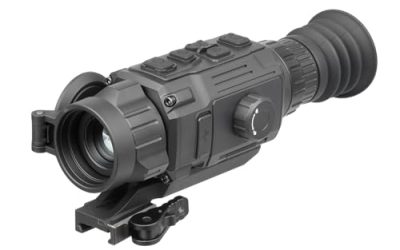
The AGM Taipan V2 19-320 is a handheld-first thermal monocular with a stronger sensor story than the Breach, and it earns its place as the best helmet-adapted option for people who scan handheld most of the time and mount up only for part of the night. Its 320×256 sensor uses a 12-micron detector with sub-20mK sensitivity, registering faint temperature differences that a higher-NETD sensor would miss — the difference between a warm shape in brush and a recognizable animal. The 19mm lens gives detection out to a long distance for its class, the 50Hz refresh rate keeps the image smooth while you pan, and the IP67 rating seals the unit against rain and dust.
Helmet use with the Taipan V2 is an adaptation, and that needs stating clearly. This is a partial fit for the helmet angle: the monocular is not sold as a dedicated helmet unit, it does not ship with a helmet mount, and helmet use depends on an aftermarket adapter or cradle that fits the body and places the eyepiece in front of your eye. That adapter, plus the shroud and arm on your helmet, is a separate purchase, and fit is not guaranteed across every adapter on the market. Confirm with the adapter seller that the Taipan V2 body fits before ordering.
Other details favor long nights. The rechargeable battery runs for around six hours, with a tilt sensor that turns the display off when the unit is angled away. Onboard storage holds photos and video, Wi-Fi links to a phone app, and the five-year transferable warranty is longer than most competitors in this class.
Who it suits: hunters and property watchers who want one thermal monocular for both handheld scanning and occasional helmet use, and who accept buying an adapter to get the helmet function. Who should skip it: anyone who wants a monocular that mounts to a helmet straight out of the box, and anyone who wants the lightest possible headborne setup.
TOPDON TS004 (B0D56CNCW1) — Best for Long Helmet Sessions
The TOPDON TS004 earns its place on one strength that helmet users feel more than any specification: it keeps running. Its 5,000mAh battery is rated for up to 11 hours of continuous use, covering a full night of helmet-mounted scanning without a battery change, a spare cell, or a cable to a power bank.The 50Hz refresh rate keeps panning smooth, the 13mm lens gives detection out to a useful distance with clear detail at closer range, and the IP67 sealing and drop-resistant silicone shell suit gear that gets knocked around outdoors.
The sensor is the compromise. At 256×192, the TS004 detects heat reliably but identifies what it is looking at over a shorter distance than the two 320-class picks above. Treat it as a detector first and an identifier second: it tells you something warm is in the hedgerow, and you close distance or switch to another optic to confirm what it is.
Helmet use with the TS004 is also an adaptation, so this is a partial fit for the helmet angle, in the same way as the Taipan V2. The TS004 is a handheld monocular, it does not ship with a helmet mount, and helmet use needs an aftermarket adapter or head mount that fits the body and holds the eyepiece steady in front of your eye.
Who it suits: night watchers, campers, and property owners who want the longest runtime in this guide and are willing to add an adapter for helmet use, plus anyone who values simple controls and all-night power over maximum identification range. Who should skip it: anyone who needs to identify animals at long range from the thermal image alone, and anyone who wants a dedicated helmet mount included with the monocular.
What to Check Before You Buy
Start with the helmet, not the monocular. Confirm what shroud your helmet has, what mount arm fits that shroud, and whether the monocular you want mates with that arm directly or needs an adapter. The Breach mates with a standard-style arm, with the adapter caveat noted above, while the other two picks need an aftermarket solution. Buying the monocular first and discovering the mount problem later is the most common and most expensive mistake in helmet thermal setups.
Next, weigh the whole loaded helmet. Add the monocular, the mount arm, the shroud, and any counterweight, then wear it for an hour at home. Neck strain that shows up in the first hour will be far worse by the third.
Then check power honestly against your nights. A short-runtime unit with spare cells works fine for a two-hour patrol and poorly for an all-night watch. A long-runtime unit with an internal battery works fine until it runs flat far from a charger, so know your recharge plan.
Check eye relief and light discipline with your actual helmet and glasses. Mount the unit, adjust the diopter, and look through it in a dark room. If you cannot get a full, sharp image without pressing your brow hard into the eye cup, the mount position needs adjustment. If light spills from the display onto your face, add an eye cup.
FAQ
Can any thermal monocular be mounted on a helmet?
No. A thermal monocular needs a mounting interface — a rail, a dovetail, or a body shape that an adapter can grip — and many handheld units have none of these. The Breach in this guide is built for helmet mounting, while the other two picks need an aftermarket adapter.
Do I need a special helmet for a thermal monocular?
You need a helmet with a shroud — the bracket on the front that accepts a mount arm. Most bump helmets and ballistic helmets sold for night-vision use have one, while ordinary hard hats and bike helmets do not.
Is a helmet-mounted thermal monocular better than a handheld one?
It is better for hands-free awareness and worse for detailed study. On a helmet, the monocular follows your gaze, leaves your hands free, and keeps you moving. Handheld, you can hold the unit steadier, study a heat signature longer, and share the view with someone next to you.
How heavy is too heavy for a helmet-mounted thermal monocular?
There is no single number, because balance matters as much as weight. A unit near seven or eight ounces with a compact body is a comfortable starting point. Heavier units can still work with a rear counterweight, but the total weight climbs and the neck pays for it on long nights.
Can I wear a thermal monocular on a helmet with glasses?
Often yes, with adjustment. A diopter control on the monocular lets many glasses wearers focus the display without their glasses, and a mount arm with fore-and-aft adjustment lets you set the eye relief so the eyepiece clears the frames.
Bottom Line
The best thermal monocular for helmet use is the one that fits your helmet, your neck, and your nights — not the one with the biggest sensor number on the box. For a dedicated helmet setup, the FLIR Breach PTQ136 is the clear lead pick: it is light, it is built around a helmet rail, and its 60Hz refresh keeps the image steady while your head moves. Its short battery life is the price of that compact, purpose-built design, so carry spare cells. For a dual-role unit that scans handheld most of the time and mounts up when hands-free work matters, the AGM Taipan V2 19-320 gives you a more sensitive sensor and long runtime, with an aftermarket adapter doing the helmet job. For the longest nights without a battery change, the TOPDON TS004 and its all-night runtime make a strong case, again with an adapter added for helmet use.
Buy the mount system with the same care as the monocular. The best thermal monocular for helmet use is the one that stays on your head all night.
Disclosure: As an Amazon Associate, we may earn from qualifying purchases.

Write Your Review
No reviews yet. Be the first to share your experience!