
- Top Pick: Zenana Premium Cotton FOLD Over Yoga Flare Pants Black, Large
- Best Value: Neer 3 Pack Women's Cotton Wide Leg Sweatpants High Waist Pants L 3Color | Women's Lounge Pants, Cotton Sweatpants, High Waist with Pockets, Loose Yoga Pants, Lightweight Athletic Pants, Casual Styles
- Premium Choice: Energy Zone Women's Cotton Stretch Yoga Pants Deep Black
The best cotton yoga pants for most people are a cotton-rich blend with a small share of spandex or elastane, because 100 percent cotton is comfortable and breathable but has little stretch and can bag out; choose pure or organic cotton only for gentle, low-sweat sessions or lounging. For long gaming sessions at a desk, a mid-weight cotton-spandex pant with a soft waistband usually balances comfort and shape better than a thin, clingy fabric.
As an Amazon Associate we earn from qualifying purchases at no extra cost to you.
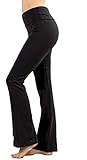


Cotton Yoga Pants at a Glance
| Fabric type | Best for | Typical strengths | Limits |
|---|---|---|---|
| Cotton with a small amount of spandex | Yoga, stretching, everyday wear | Soft feel, some stretch and recovery | Holds moisture when sweaty |
| 100 percent cotton jersey | Lounging, gentle practice | Breathable, familiar feel | Stretches out, little recovery |
| Organic cotton blend | Buyers who prefer certified fibres | Certification labels such as GOTS exist for organic textiles | Certification does not guarantee fit or stretch |
| French terry cotton | Cool-weather, relaxed fit | Soft loop-back interior, warmth | Heavier, less sleek |
| Cotton-modal or cotton-viscose blend | Drapey, smooth feel | Soft handfeel, lightweight | Not pure cotton; may pill |
| Cotton with polyester support | Mixed use | Dries faster than pure cotton | Less of a natural-fibre feel |
How to Choose Cotton Yoga Pants
Read the fibre content label
The label tells you more than the product title. A garment marketed as cotton may be a blend, and the percentages affect behaviour. Pants with a few percent of elastane or spandex typically keep their shape better after repeated wear, whereas pure cotton often relaxes at the knees and seat. Labels vary by brand, and makers describe their own fabrics, so rely on the listed composition rather than on marketing terms.
Fabric weight and feel
Weight is often given in grams per square metre, though many clothing makers describe it in words such as lightweight, midweight or heavyweight. Lighter fabrics move easily but may be more see-through in certain colours and under some lighting. Heavier fabrics add coverage and warmth but can feel hot in summer. Dark colours generally offer more coverage than pale ones.
Waistband and rise
A wide, flat waistband that does not dig in matters most if you sit for hours. High-rise styles cover more and stay put during floor poses. Fold-over waistbands are adjustable but can roll. Drawstrings let you fine-tune fit, which is useful for cotton that relaxes during wear.
Seams and gusset
Flat seams reduce rubbing, and a gusseted crotch panel can give more room to move. These are construction details the maker usually lists on the product page.
Shrinkage and care
Cotton can shrink on the first washes. Follow the care label, usually cool or warm wash and low heat drying, and consider sizing based on the maker’s size chart and any stated shrinkage note. Wash separately from items that shed lint.
Cotton vs Synthetic Yoga Pants
Cotton absorbs moisture and dries slowly, so it feels comfortable at low intensity but heavy when soaked. Synthetic fabrics such as nylon and polyester blends are designed to move sweat and dry faster, which is why hot or fast-paced classes often call for them. Cotton blends sit in between. If you practise restorative yoga, stretch before bed or want pants for long desk sessions, cotton is a reasonable choice. For hot yoga or hard cardio, many buyers prefer moisture-managing fabrics.
Pick X If… Decision Table
| Pick this | If you… | Skip it if… |
|---|---|---|
| Cotton-spandex blend | Want everyday stretch and a soft feel | You sweat heavily |
| 100 percent cotton | Want a natural fibre for lounging | You want a snug, shape-holding fit |
| Organic cotton blend | Prefer certified organic fibres | You only care about fit and price tier |
| French terry | Need warmth in cool rooms | You practise in warm spaces |
| Cotton-modal blend | Want a smooth, drapey fabric | You need pure cotton |
| Cotton-polyester blend | Want faster drying and durability | You avoid synthetics |
Budget Tiers
Budget
Basic cotton-spandex pants from mass-market brands are fine for casual use. Expect thinner fabric and simpler construction, so check the size chart carefully and look at colour coverage.
Mid-range
Mid-range options typically offer better stitching, thicker fabric and more consistent sizing. This tier covers most buyers who want pants for regular practice and daily wear.
Premium
Premium pieces often use certified organic cotton, finer yarns or specialised blends. The benefit is mostly in fabric feel, finishing and a makers’ longer-stated durability, though how long any pair lasts depends on care.
Fit and Sizing Notes
- Measure waist, hips and inseam and compare against the maker’s size chart; sizing differs between brands.
- If the pants are 100 percent cotton, some buyers consider the next size up when the maker mentions shrinkage; follow the brand’s own advice.
- Choose ankle length, cropped or full length based on height and preference. Tall buyers should look for stated inseam options.
- Bootcut and straight-leg cotton styles suit relaxed practice; fitted legging styles suit floor work and layering.
- Pockets are useful for phones and keys, but bulky pockets can show through thin fabric.
Common Mistakes
- Assuming “cotton” means 100 percent cotton. Read the composition line.
- Ignoring sweat level. Cotton is comfortable until it is soaked. Choose blends for heavier workouts.
- Buying by colour without a coverage check. Light shades and thin fabric can be see-through when stretched.
- Drying on high heat. This can shrink cotton and wear out elastic fibres sooner.
- Skipping the size chart. Brand sizing is not standardised.
Alternatives
Cotton-blend joggers or lounge pants
Relaxed fits with a tapered leg suit long sessions at a desk and gentle stretching, though they are less ideal for floor poses.
Bamboo-viscose or modal pants
These man-made cellulose fibres feel smooth and light. They are not cotton, and care instructions may be stricter, so follow the label.
Nylon-spandex leggings
Better for hot or high-sweat practice and for those who want a compressive fit.
Frequently Asked Questions
Are 100 percent cotton yoga pants a good idea?
They suit gentle practice and lounging because the fabric is soft and breathable. They tend to stretch out over a day and hold moisture, so many buyers choose a blend with a small share of spandex for better shape retention.
How do I stop cotton yoga pants from shrinking?
Follow the care label, which commonly calls for a cool or warm wash and low-heat or air drying. High heat is a common cause of shrinkage in cotton garments.
Are cotton yoga pants see-through?
Some can be, particularly thin, pale fabrics when stretched. Midweight fabric, darker colours and lined or double-layer designs improve coverage. Try a squat in front of a mirror when you first wear them.
Is organic cotton better for yoga pants?
Organic labelling relates to how the fibre was grown and processed, and certifications such as GOTS cover specific criteria. It does not by itself tell you about fit, stretch or durability, so check the full fibre content and size chart.
Can I wear cotton yoga pants for long gaming sessions?
Many people do, because soft, breathable fabric and a flat waistband are comfortable when seated. Pick a relaxed or midweight style, stand and stretch regularly, and avoid waistbands that press on your stomach.


Write Your Review
No reviews yet. Be the first to share your experience!