
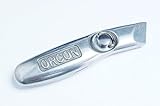
- Top Pick: Orcon Utility Knife – Carpet Cutter (1)
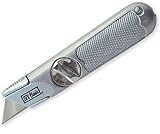
- Best Value: Crain 732 Extra-Grip Utility Knife
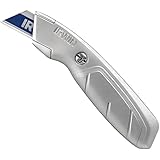
- Premium Choice: IRWIN Utility Knife, Fixed Blade (2081101), gray
For drywall work, a retractable or folding utility knife with an 18-millimeter-class blade or a standard heavy-duty blade, such as the Milwaukee Fastback or Stanley FatMax, suits most buyers, while a snap-off blade knife from Olfa is the pick if you want a fresh edge every few cuts. The best knife is the one that scores paper cleanly, locks the blade solidly and stays comfortable through a full day.
As an Amazon Associate we earn from qualifying purchases at no extra cost to you.

Short Answer by Task
- Scoring and snapping sheets: a sturdy lock-back or retractable knife with a straight blade.
- Trimming around outlets and openings: a compact knife with a narrow tip, or a dedicated drywall saw.
- Cutting tape and corners: any sharp knife works, but a fresh blade matters more than the brand.
- All-day use: choose a knife with quick blade change and onboard blade storage.
At a Glance
| Knife | Type | Best for | Notes |
|---|---|---|---|
| Milwaukee Fastback flip utility knife | Folding, one-handed open | Pocket carry and fast jobs | The maker describes tool-free blade changes and a lock mechanism; check blade storage options on the model you buy |
| Stanley FatMax retractable utility knife | Retractable | General drywall scoring | Widely sold, with onboard blade storage in common versions |
| Olfa 18 mm snap-off knife (heavy duty range) | Snap-off blade | Always-sharp edge on long cutting days | Wider blade supports straighter scoring; needs spare cartridges |
| Klein Tools folding utility knife range | Folding | Electricians and drywall hangers who carry hand tools | Check blade type and locking mechanism for each version |
| Drywall jab saw (e.g. Klein, Irwin) | Hand saw | Cutouts for boxes | Complements a knife, does not replace it |
Maker lineups change, and some names refer to a family of knives rather than a single model, so confirm the exact part number against the product page before buying.
What Matters for Drywall
Blade type and thickness
Standard utility blades with a trapezoid shape fit most knives in this class. Thicker blades flex less when scoring through gypsum and the paper facing. Snap-off blades are thinner but can be refreshed quickly. For fine finishing, a razor-style blade can trim paper edges cleanly, but it is more brittle.
Lock strength
A knife that does not lock firmly is a hazard. Look for a lock described by the maker as positive or lock-back, and check whether the blade holds without wobble under side pressure. Always follow the maker’s instructions for blade changes.
Blade changes and storage
Drywall dulls blades fast, so quick changes are a major quality-of-life feature. Tool-free changes and onboard blade storage reduce downtime. Pocket-sized folding knives often include a clip for a belt or pocket.
Handle and grip
Over-molded handles with a textured surface help when hands are dusty. Heavier knives feel steadier on long scores but tire a hand more over a day. Left-handed users should confirm that the knife can be operated comfortably from either side, as some models have a one-sided release.
Safety features
Retractable designs reduce accidental cuts when carried. Folding knives close the blade. Some makers add finger guards. Always cut away from your body, use a straightedge and a fresh blade, and dispose of old blades in a sharps container or a sturdy sleeve.
Pick This If Decision Table
| Pick this | If |
|---|---|
| Milwaukee Fastback | You want a pocketable folding knife for fast, one-handed access |
| Stanley FatMax retractable | You prefer a retractable body that stays on a tool belt |
| Olfa 18 mm snap-off | You make long, repetitive cuts and want a fresh point at any time |
| Klein folding knife | You carry a pouch of hand tools and want a knife to match |
| Add a jab saw | You cut a lot of openings for electrical boxes |
Technique Tips Reviewers and Trade Guides Commonly Share
- Score the face paper with a straightedge, then snap the board and cut the back paper.
- Use a sharp blade. A dull edge tears paper and increases the chance of slipping.
- Make shallow passes for thick board, rather than forcing one deep cut.
- Keep your guiding hand clear of the cut line.
- Wear cut-resistant gloves if you work with sharp tools for long periods, and eye protection when cutting dusty materials. Wear a dust mask when sanding drywall dust.
Common Mistakes
- Using a dull blade for too long.
- Buying a knife with the wrong blade type, then needing a special replacement.
- Leaving the blade extended in a pocket or toolbox.
- Treating a utility knife as a pry bar, which can chip or snap the blade.
- Ignoring local rules on disposing of used blades.
Alternatives
- Drywall saw or jab saw: better for cutting openings in installed board.
- Rotary cutout tool: a power tool for rapid openings; requires care around hidden wiring and pipes.
- T-square with scoring knife: a combined solution for long, straight cuts on full sheets.
- Oscillating multi-tool with a drywall blade: useful for flush cuts; louder and dustier.
Frequently Asked Questions
What type of utility knife is best for cutting drywall?
A heavy-duty retractable or folding knife with a solid lock and a standard utility blade works well for most jobs. Snap-off knives are a good alternative when you want fresh edges often.
How often should I change the blade?
Drywall’s gypsum core dulls steel quickly, so change the blade as soon as cuts begin to tear the paper or need more pressure. Many users replace blades frequently on large jobs.
Is a snap-off knife a good choice?
Yes, for repetitive scoring. The blade is thinner and may flex more, so keep the extension short and use a straightedge for guidance.
Can I use a regular box cutter instead?
For light jobs, yes, but a dedicated utility knife with a stronger body and lock is steadier. Thin box cutters can flex or slip on thick board.
How do I cut outlet openings safely?
Turn off power at the breaker, confirm wires are not in the cut zone, and use a drywall saw or a careful knife cut. If you are unsure about wiring, consult a licensed electrician.
What is the safest way to carry a utility knife?
Retract or close the blade before carrying and keep the knife in a holster or pocket clip designed for it. Never carry an extended blade loose in a toolbox or pocket.



Write Your Review
No reviews yet. Be the first to share your experience!