
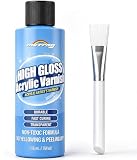
- Top Pick: Clear Acrylic Paint Sealer, High Gloss Varnish for Acrylic Painting | Brush-On Clear Coat for Canvas, Painted Rocks & Wood Crafts; Non-Yellowing, Fast-Drying, Self-Leveling
- Best Value: Bluebird Gloss Acrylic Varnish & Sealer for Acrylic Painting – 3.4 Fl Oz | Clear Top Coat & Paint Sealant, Finisher & Glaze, Non-Yellowing, Canvas, Rocks & Crafts, Water Based, Brush On
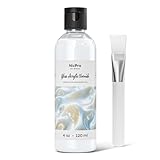
- Premium Choice: Nicpro Clear Acrylic Paint Sealer 4oz, Gloss Varnish for Acrylic Painting | Non-Yellowing, Anti-Crazing Protect Clear Coat for Rock, Wood, Glass, Clay, Plastic, Metal, Canvas, Model, High Gloss Finish
For most acrylic paintings on canvas or panel, a water-based brush-on varnish such as Liquitex Professional Varnish or Golden Polymer Varnish is the safest pick, while a UV-resistant aerosol clear suits painted gaming gear, props and figures that need a quick, even topcoat. The right clear coat depends on what you painted, where it will live and whether you ever want to remove the finish again.
As an Amazon Associate we earn from qualifying purchases at no extra cost to you.


Quick Answer by Use Case
- Fine-art canvas or board you may want to restore: a removable varnish, applied over an isolation coat.
- Painted PC case panels, helmets, cosplay armor, shelf models: a clear aerosol labelled for acrylics or for general craft and hobby surfaces.
- Craft pieces handled daily: a tougher water-based polyurethane-style topcoat, accepting that it is not meant to be reversible.
- Anything outdoors: a product whose maker states UV resistance, and even then expect to recoat over time.
At a Glance: Clear Coat Options
| Product type / example | Best for | Form and finishes (as the makers describe them) | Main limit |
|---|---|---|---|
| Liquitex Professional Varnish | Canvas and panel art | Water-based brush-on; gloss, satin and matte versions are sold | Needs even brushing; not a heavy-duty hard shell |
| Golden Polymer Varnish (with UVLS) | Artwork that will be displayed in bright rooms | Water-based brush-on; gloss, satin and matte versions; the UVLS version adds ultraviolet light stabilizers | Dries in layers that need care to avoid cloudiness; follow the maker’s guidance on isolation coats |
| Liquitex Soluvar | Artists who want a mineral-spirit-removable varnish | Solvent-based; gloss and matte options | Needs ventilation and solvent handling |
| Krylon UV-resistant clear spray | Props, models, case panels, crafts | Aerosol; gloss, satin and matte versions across the Krylon range | Overspray, fumes, easy to apply too thickly |
| Rust-Oleum Painter’s Touch Ultra Cover or Clear | General craft and household items | Aerosol clear in several sheens | Not designed as a conservation-grade fine art varnish |
| Mod Podge (sealer/glue type) | Paper and decoupage crafts | Water-based brush-on; sold in several sheens | Can stay tacky in humid rooms; makers sell it as a craft sealer rather than an archival varnish |
What a Clear Coat Actually Does for Acrylic Paint
Dried acrylic is flexible plastic. It can look patchy because different colors and pigments dry with different sheens, so a clear topcoat evens them out into one gloss, satin or matte surface. It also gives dust and fingerprints something sacrificial to land on. On fine art, makers such as Golden and Liquitex describe varnish as a protective layer that can be renewed or removed without touching the paint beneath, provided you use the right system.
That last point matters. A permanent craft sealer protects, but you cannot take it off later without damaging the paint. A removable varnish is built for the opposite trade: it is gentler on durability but can be lifted off by a conservator or by you following the maker’s instructions.
How to Choose
1. Decide whether the finish must be removable
If the piece has value, sentimental or financial, look for the phrase “removable” or “isolation coat” in the maker’s instructions. Golden, for example, describes a separate isolation coat step in its varnishing guidance so that the varnish sits above a barrier rather than directly on the paint. If you are painting a disposable prop, skip that complexity.
2. Choose the sheen on purpose
Gloss deepens dark colors and makes shadows richer but shows every dust speck and reflection. Matte hides reflection and suits illustrations viewed under strong lights. Satin is the middle ground. Matting agents in matte products can look hazy over very dark paint if applied heavily, so thin coats matter more than the label.
3. Brush-on versus aerosol
Brush-on water-based varnish gives you control on flat artwork and cleans up with water. Aerosol is easier on curved, textured or three-dimensional pieces like helmets, figures and case parts, but requires a ventilated space, a steady sweeping motion and patience between coats. Read the can for recoat windows rather than guessing, because spraying a second coat too late or too early is a common cause of wrinkling or a frosted look.
4. Check UV claims honestly
Some makers add ultraviolet light stabilizers and say so on the label. These can slow yellowing and fading, but they do not make artwork immune to sunlight. Keep painted pieces out of direct sun when you can.
5. Plan for ventilation and safety
Solvent-based varnishes and aerosols release fumes. Follow the safety data on the container, work outdoors or with strong airflow, keep away from ignition sources and wear the respiratory protection the label calls for.
Pick This If Decision Table
| Pick this | If your situation is |
|---|---|
| Water-based brush-on artist varnish (Liquitex or Golden) | You paint on canvas or board and want a finish that can be renewed or removed later |
| Solvent-based removable varnish (Liquitex Soluvar) | You are comfortable with solvents and want a traditional removable system |
| UV-resistant aerosol clear (Krylon range) | You are coating a prop, shelf display piece or gaming accessory with curves |
| General craft aerosol (Rust-Oleum range) | The item is decorative, handled lightly and does not need archival properties |
| Craft sealer (Mod Podge) | You are working with paper, small wood crafts or decoupage and accept a non-reversible finish |
Application Tips That Prevent Most Failures
- Let the paint cure fully. Makers generally advise waiting well beyond touch-dry; thick passages need longer. Check the varnish instructions for the interval they state, often measured in days for fine art.
- Clean the surface. Dust and finger oils show up as specks and fisheyes once sealed in.
- Work flat. For canvas and panels, lay the piece horizontal so the varnish levels instead of running.
- Use thin, even coats. Two thin coats outperform one heavy one. Heavy coats trap moisture or solvent and can look cloudy.
- Stir, do not shake, brush-on varnish. Shaking creates bubbles that dry into the film. Makers of artist varnishes commonly give this advice.
- Test first. Try the product on a scrap painted with the same paint, because some surfaces, especially on glossy plastic, react differently.
Common Mistakes
- Using a glue-style sealer on art you hope to preserve long term.
- Spraying in humid or cold conditions, which can cause a milky or blushing finish.
- Applying varnish over paint that still feels cool or soft to the touch.
- Mixing a water-based top coat over an unknown solvent-based coat without a test.
- Expecting a clear coat to fix cracks, peeling or poor adhesion in the paint underneath.
Good Alternatives
- Water-based polyurethane: a harder-wearing option for craft pieces on wood, such as display bases or desk items, though most makers do not describe it as removable.
- Wax finishes: a soft, low-sheen finish for rustic craft work, but they attract dust and are not suited to artwork you want to varnish later.
- Acrylic gloss medium: sometimes brushed as a final layer on practice pieces; it is a paint medium, not a dedicated varnish, so makers position it differently.
- Framing under glass: a physical barrier that skips varnish altogether for works on paper.
Frequently Asked Questions
Do I need to varnish acrylic paint at all?
Not always. Acrylic dries to a durable film, and many painters leave pieces unvarnished. A clear coat is mainly about unifying the sheen, adding protection from dust and handling, and in some cases reducing surface tackiness. It is optional for art under glass and more useful for pieces handled often.
How long should acrylic paint dry before sealing?
Thin layers may feel dry within hours, but makers of artist varnishes commonly advise waiting longer, often several days, before varnishing so trapped moisture can escape. Thick or heavily built-up areas need more time. Follow the instructions printed on the specific varnish you buy.
Is spray or brush-on clear coat better?
Brush-on suits flat artwork and gives you control. Spray suits curved or detailed objects and is quicker to apply in thin coats. Spray needs good ventilation and careful technique, so choose based on the shape of the piece and your workspace.
Why did my clear coat turn cloudy or white?
Cloudiness is commonly linked to humid air, cold surfaces, or coats applied too heavily. Moisture trapped under a fast-drying coat can show up as a milky haze. Working in dry, moderate conditions with thin coats usually reduces the risk.
Can I remove a clear coat later?
Only some systems are designed for it. Artist varnishes used over an isolation coat are made to be removable by following the maker’s guidance, while general craft sealers and many hardware-store clears are not. If removability matters, choose an artist-grade product and read its instructions first.
Will a clear coat stop colors from fading in sunlight?
A varnish with UV stabilizers, where the maker states them, may slow fading, but it cannot prevent it. Keep artwork out of direct sun and avoid placing painted items next to bright windows for long periods.



Write Your Review
No reviews yet. Be the first to share your experience!