
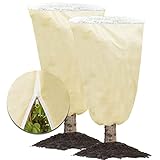
- Top Pick: MIXC Plant Covers Freeze Protection, 47.2''×70.8'' Winter Cold Weather Frost Blankets Shrub Jacket with Drawstring Reusable Frost Protection Cloth for Outdoor Plants Fruit Tree Potted (2 Pack)
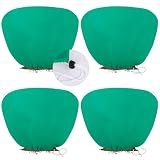
- Best Value: Homimp Plant Covers Freeze Protection, 4 Pack Frost Covers with Zipper Drawstring (31.5" x 47.3") Plant Protection Cover Bags for Outdoor Winter Frost Cold Weather Shrubs Trees Jacket Covers(Green)
- Premium Choice: 4 Pack Shrub Plant Covers Freeze Protection for Winter, 39.4"X39.4", Green | 2.2 oz/yd² Plant Protection Bags, Drawstring, Plant Frost Protection Covers, Outdoor Garden, Rose Bush Plants, Shrubs
Planket frost blankets suit garden beds and shrubs that need light frost protection, heavier Agfabric 1.5 oz covers and zippered jackets suit colder nights and individual shrubs, and long Agfabric row-cover rolls suit rows of vegetables. Choose by how cold nights get, what you are covering and how you will anchor the cover.
As an Amazon Associate we earn from qualifying purchases at no extra cost to you.


Winter Plant Covers at a Glance
| Cover | Best for | Reported or stated traits | Limits |
|---|---|---|---|
| Planket 10 x 20 ft frost blanket | Cottage gardens, beds, mixed shrubs | One roundup names it best overall for most gardens; kit includes 14 landscape stakes per another outlet | Reviewers describe the fabric as light; suited to light frost near 28 F, severe freezes may need doubling |
| Planket 10 ft round | Bushes, container fruit trees | Drapes over shrubs per reviewers | Limited coverage for long rows |
| Agfabric 1.5 oz frost blanket | Colder nights, long rows | Roundups describe protection down to about 24 to 26 F | Heavier fabric reduces light for plants left covered for long periods |
| Agfabric 1.2 oz 10 x 100 ft roll | Large beds | Named best for large beds in one roundup | Needs cutting and anchoring by the user |
| Agfabric zippered shrub jacket | Individual shrubs, small trees | Maker lists sizes such as a 60 by 72 inch 1.5 oz version with zipper | Fixed sizes; confirm it fits the plant |
| Agfabric 0.55 oz floating row cover | Frost nudges and pest protection | Customer reviewers say it works for light frost and pests | Reviewers report limited success in extreme cold |
Temperature ranges in roundups are approximations and depend on wind, soil moisture and how well the cover is sealed. Treat them as guidelines, not guarantees.
Understand Fabric Weight
Frost cloth is sold by weight per square yard, usually in ounces. A 0.55 oz cover is a row cover that lets lots of light through and adds a few degrees of protection. A 1.2 to 1.5 oz cover adds more insulation and is the usual choice for freezes, but it blocks more light and is better left on only during cold nights. Lighter fabric is easier to handle in wind, but heavier cloth is harder to blow around once pegged.
How to Choose
Start with the coldest night in your forecast
If lows seldom drop below the high 20s Fahrenheit, a lighter blanket such as Planket may be enough, per reviewers. Where hard freezes occur, a 1.5 oz cover or two layers gives extra margin. Very tender plants may also need a heat source or to be brought indoors, and covers alone do not guarantee survival.
Consider the plant shape
Beds and rows work best with a flat sheet and stakes. Single shrubs and small trees suit round covers or zippered jackets, which wrap closely and are easier to secure. Container plants can simply be moved into a garage or against the house wall and covered.
Anchoring
Wind is the main enemy of a frost cover. Look for kits that include stakes or ground pins, or plan to add your own. Bricks, boards or soil on the cover edge can also seal the hem against the ground, which traps soil heat.
Breathability and light
Frost fabrics are made to let water and air through. Do not use plastic sheeting as a direct blanket, because it conducts cold when it touches leaves. If you must use plastic, keep it off the foliage with hoops or stakes.
Pick X If… Decision Table
| Pick this | If you |
|---|---|
| Planket 10 x 20 ft | Cover mixed garden beds and expect mostly light frost |
| Planket round cover | Protect a single bush or container tree |
| Agfabric 1.5 oz | Expect colder nights and want more insulation |
| Agfabric 1.2 oz roll | Have long beds or a vegetable plot |
| Agfabric zippered jacket | Want easy on-off access for evergreen shrubs |
Budget Tiers
Budget: light row covers and basic frost cloth by the roll. Mid-range: pre-cut Planket or Agfabric blankets with stakes. Premium: fitted zippered jackets and thicker multi-layer covers sized to specific shrubs.
How to Cover Plants Properly
- Water the soil a day before a freeze, since moist soil holds heat better than dry.
- Cover plants in late afternoon, before the temperature drops.
- Drape the cover so it reaches the ground and is sealed at the hem.
- Use stakes or hoops for delicate plants so fabric does not crush foliage.
- Remove or vent the cover on mild sunny mornings to avoid overheating.
- Store dry and folded to extend the cover’s life.
Common Mistakes
- Leaving a heavy cover on for days without light.
- Not anchoring the edges so wind lifts the fabric.
- Using plastic sheeting directly against foliage.
- Expecting a thin blanket to protect against a hard freeze.
- Covering dry soil and wet foliage that then freezes.
Alternatives
Burlap wraps suit upright shrubs and wind protection. Cold frames and mini hoop tunnels protect vegetable crops and can combine with row cover for extra margin. Straw or leaf mulch around the root zone insulates roots, though it does not protect foliage. For truly tender or potted plants, moving them indoors or into an unheated garage is the most dependable approach.
Frequently Asked Questions
How cold can a frost blanket handle?
Roundups describe Planket as suited to light frost near 28 F and Agfabric’s 1.5 oz cloth as protective to about 24 to 26 F. Actual performance varies with wind, soil moisture and plant type.
Can I leave frost cover on all winter?
Heavier covers reduce light, so they are best used on cold nights and removed or vented on mild days. Lighter row covers can stay on longer, but monitor for heat and moisture buildup.
Should the cover touch the plant?
Light contact is usually fine with breathable frost cloth, but stakes or hoops help protect delicate foliage. Avoid plastic touching leaves.
What is the difference between frost cloth and row cover?
Row cover is typically lighter and meant for season extension and pest protection, while frost blankets are heavier for colder nights. The ounce weight on the packaging is the main clue.
Are zippered shrub covers worth it?
They are convenient for evergreens you cover repeatedly, since you can open the zipper on warm days. Confirm the listed dimensions against the plant before you buy.


Write Your Review
No reviews yet. Be the first to share your experience!