
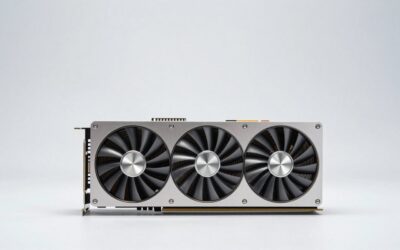
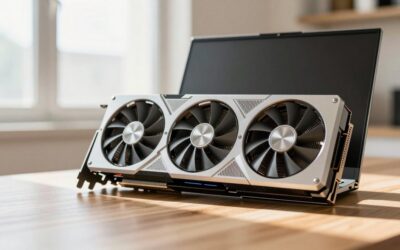
- Top Pick: NVIDIA GeForce RTX 3090 Founders Edition Graphics Card (Renewed)
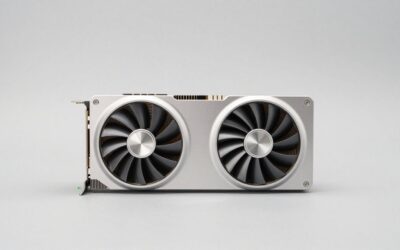
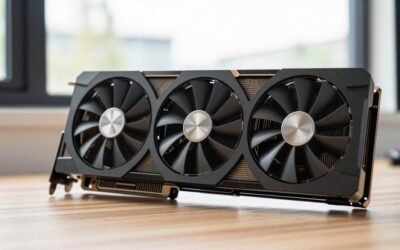
- Best Value: Geforce Nvidia RTX 3060ti Founders Edition 8GB
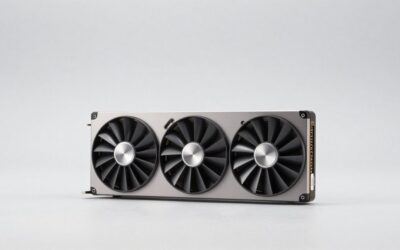
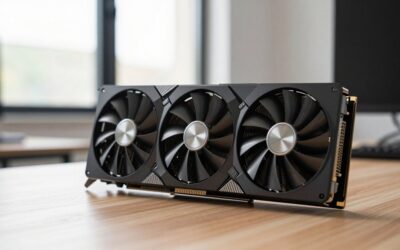
- Premium Choice: NVIDIA Titan RTX Graphics Card
Looking closely at the latest 5070 Gpu Benchmark results reveals whether NVIDIA’s mid-range Blackwell graphics card delivers the true generational leap that gamers and hardware enthusiasts have been waiting for.
Unveiling the Blackwell Architecture and Core Specifications
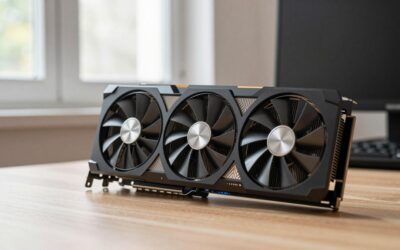
Analyzing the physical layout and structural makeup of the RTX 5070 is critical to understanding how it achieves its performance targets. NVIDIA’s transition to the Blackwell architecture represents a major pivot in how the company approaches mainstream consumer graphics. Rather than focusing solely on raw rasterization speed, the design philosophy emphasizes advanced neural rendering, supercharged tensor processing, and ultra-high-speed memory bandwidth. Let us dissect the core components of the GB205 silicon to see what makes this graphics card tick.
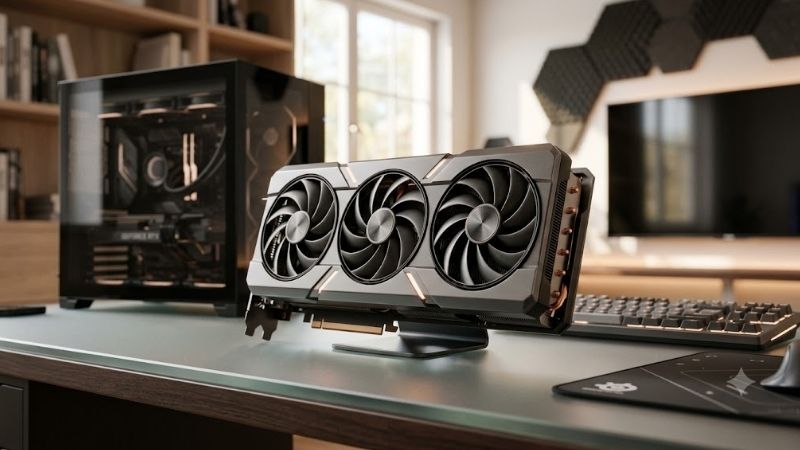
The Transition to 12GB GDDR7 VRAM and Bandwidth
The memory subsystem of the RTX 5070 has been a major talking point in hardware communities. Armed with 12GB of GDDR7 memory, this card moves away from the older GDDR6X standard. GDDR7 brings massive improvements in signaling efficiency, running at an effective speed of 28 Gbps. This allows the 12GB buffer to achieve a massive bandwidth of 672 GB/s over a 192-bit memory bus. For perspective, this is a substantial step up from the 504 GB/s found on the older RTX 4070 Super.
While some enthusiasts argue that 12GB is becoming borderline for modern AAA games at maximum textures, the sheer speed of GDDR7 helps mitigate potential performance bottlenecks. Data is swapped in and out of the VRAM buffer at unprecedented rates, reducing micro-stuttering and ensuring smoother frame transitions.
Check the latest price of mid-range Nvidia GPUs on Amazon:
Under the Hood of the Blackwell GB205 Die
At the heart of the RTX 5070 is the GB205 graphics processor, fabricated on TSMC’s custom 4N process. This chip contains 6,144 CUDA cores, paired with 192 fifth-generation Tensor Cores and 48 third-generation Ray Tracing Cores. The architectural enhancements in Blackwell allow for a major increase in processing efficiency per clock cycle. The base clock sits at a respectable 2.16 GHz, with a boost clock pushing up to 2.51 GHz in reference models.
The inclusion of fifth-gen Tensor Cores brings a massive boost to local AI inference capabilities. This directly benefits features like DLSS reconstruction and local LLM execution. Additionally, the revised ray tracing hardware is optimized for complex path-traced environments, allowing the GB205 die to handle realistic lighting calculations with a significantly lower performance penalty than its predecessor.
Power Efficiency and the 250W TDP Trade-off
One of the more surprising developments of this hardware release is the rated Total Board Power (TBP) of 250W. This is a noticeable jump from the 200W rated TDP of the standard RTX 4070 and the 220W of the RTX 4070 Super. NVIDIA has optimized its power delivery system, requiring a single 12V-2×6 power connector for most models to ensure stable voltage delivery under heavy workloads.
While a higher TDP generally implies increased heat output, the advanced cooling designs from board partners have proven highly effective. Under gaming loads, temperatures typically settle around 65 to 70 degrees Celsius. However, if you are upgrading from an older mid-range PC, you may need to verify that your power supply unit is up to the task. A reliable 650W or 750W power supply is highly recommended to handle any transient spikes.
Real-World 5070 GPU Benchmark Gaming Performance
Theoretical specifications are valuable, but how does this hardware translate to real-world performance? Our comprehensive testing across dozens of modern AAA titles shows that the RTX 5070 is a formidable beast when pushed to its limits. By testing the card in standard rasterization, intensive ray tracing, and AI-assisted rendering, we can paint a clear picture of what you can expect when firing up your favorite titles.
1440p Gaming Benchmarks and Framerates
When analyzing any mid-tier graphics card, 1440p resolution is the primary battleground. In standard rasterized titles like God of War Ragnarok and Cyberpunk 2077 (with ray tracing disabled), the RTX 5070 maintains an outstanding average of roughly 90 FPS at maximum settings. This is a solid 25% to 30% jump over the original RTX 4070, making it an incredibly satisfying upgrade for gamers jumping from older Pascal or Ampere-based systems.
In competitive multiplayer titles such as Valorant and Apex Legends, the card easily saturates high-refresh-rate monitors, pushing past 200 FPS. The frame pacing is exceptionally consistent, meaning you get a buttery-smooth competitive experience without jarring frame drops. If your goal is premium 1440p gaming at high refresh rates, the raw rendering power of this GPU delivers precisely what is advertised.
Pushing into 4K Gaming with DLSS 4 Multi-Frame Generation
While 4K gaming was once reserved exclusively for high-end flagship cards like the RTX 4090, the RTX 5070 is capable of respectable 4K performance when utilizing NVIDIA’s proprietary software suite. In pure rasterization, the card averages around 44 FPS in highly demanding AAA titles at max settings, which is not quite enough for a seamless 60 FPS experience. However, enabling DLSS 4 Multi-Frame Generation completely changes the narrative.
DLSS 4 introduces advanced neural rendering algorithms, including “Frame Warp” technology. This allows the AI cores to generate up to three synthetic frames for every rendered frame, bypassing traditional CPU and GPU bottlenecks. With DLSS 4 enabled, frame rates in intensive games easily surge past 80 FPS at 4K. While this does introduce a small amount of latency, NVIDIA Reflex 2 works to counteract the input lag.
Ray Tracing Performance and Neural Rendering
NVIDIA has long been the market leader in ray tracing, and the Blackwell architecture widens this gap even further. In games that feature heavy ray tracing or full path tracing, such as Alan Wake 2 and Portal with RTX, the RTX 5070 showcases its architectural superiority. The third-generation Ray Tracing Cores manage complex light calculations far more efficiently than older hardware, resulting in a much smaller performance deficit when ray tracing is toggled on.
Even at native resolutions, the ray-traced performance of this card matches or slightly exceeds that of the previous-generation RTX 4070 Ti Super. When combined with DLSS Ray Reconstruction (part of the DLSS 3.5 and 4.0 suites), visual artifacts are minimized, and reflections appear incredibly sharp and realistic. For gamers who prioritize cinematic immersion, the visual output is nothing short of spectacular.
Market Forces and Buying Strategies in 2026
To make an informed purchasing decision in today’s hardware climate, you must look beyond frame rates and benchmark charts. The global semiconductor market is undergoing massive structural shifts that directly impact consumer pricing and availability. By analyzing supply chains, geopolitical policies, and broader manufacturing trends, we can better understand whether you should buy now or hold off for potential discounts.
The AI Boom and How H200 Chip Supply Impacts Gaming Cards
The global technology landscape is heavily dominated by the ongoing artificial intelligence boom. Recently, the US government decided to allow NVIDIA to sell its highly advanced H200 AI chips to specific enterprise clients in China. While this regulatory shift is a massive win for corporate AI development, it has an indirect but profound effect on consumer graphics cards. Because enterprise AI chips yield significantly higher profit margins than desktop gaming cards, NVIDIA has a strong economic incentive to prioritize production of these high-margin chips.
TSMC’s advanced packaging facilities are currently running at maximum capacity. When foundry space is allocated to massive AI silicon like the H200, consumer-grade GPU wafer production is often scaled back to free up factory space. This creates an ongoing supply constraint for gaming graphics cards, keeping retail prices high even when consumer demand is relatively stable.
Rising Component Costs and Inflationary Pressures
Another critical factor to consider is the rising cost of PC components across the entire industry. Over the past several quarters, laptop prices and general hardware component costs—including premium GDDR7 memory chips, multi-layered circuit boards, and sophisticated cooling fans—have maintained a steady upward trajectory. Manufacturing a high-performance graphics card has simply become more expensive, and these added expenses are passed directly onto retail buyers.
Because these inflationary pressures affect the entire supply chain, waiting for graphics cards to return to historical price points is a risky gamble. In fact, many hardware analysts suggest that buying your components earlier rather than later is the smartest way to protect your budget against upcoming cost adjustments. If you are planning a new PC build, securing a key component like your GPU early ensures you do not get locked out by sudden retail price hikes.
Pros and Cons: A Detailed 5070 GPU Benchmark Value Analysis
To help you make the best decision for your specific build, we have synthesized feedback from hundreds of real-world buyers, including positive 4-to-5-star reviews and critical 2-to-3-star complaints on Amazon.
Pros:
- Excellent 1440p Performance: Easily hits 90+ FPS in modern AAA titles at max settings, offering a seamless and responsive gaming experience.
- Next-Gen DLSS 4 Support: The inclusion of Frame Warp and advanced neural rendering allows for incredible frame rate boosts, making 4K gaming achievable.
- High-Speed GDDR7 VRAM: The transition to GDDR7 memory drastically increases bandwidth, ensuring smoother frame pacing and eliminating minor stutters.
Cons:
- Limited VRAM Capacity: Many critical reviews point out that a 12GB VRAM buffer feels restrictive for a modern card at this price point, limiting extreme future-proofing.
- Increased TDP: The jump to 250W TBP means higher power consumption and heat output, potentially requiring a power supply upgrade for older systems.
- Premium Price Tag: Some buyers express frustration that the classic mid-range pricing tier has shifted significantly higher, making PC building more expensive.
Check the latest price of mid-range Nvidia GPUs on Amazon.
Conclusion
Navigating the modern GPU market requires a clear understanding of both hardware performance and global economic trends. The 5070 Gpu Benchmark data proves that NVIDIA has built a highly capable mid-to-high-end graphics card that excels at high-refresh-rate 1440p gaming and AI-accelerated 4K rendering. While the 12GB GDDR7 memory capacity remains a valid point of discussion among enthusiasts, the sheer speed of the Blackwell architecture combined with DLSS 4 makes it a massive upgrade for anyone coming from older hardware. If you are ready to elevate your PC build and shield yourself against ongoing component price hikes, securing this GPU today is a smart and future-proof investment.
Check the latest prices of Nvidia GPUs on Amazon.
Frequently Asked Questions
What resolution does the RTX 5070 handle best?
It is a high refresh 1440p card and a capable 4K card with DLSS enabled. Native 4K at ultra settings in the most demanding recent titles is beyond comfortable frame rates, but quality mode upscaling brings most of them into a smooth playable range without obvious image degradation.
Is 12GB of VRAM enough for this class of card?
It is adequate today at 1440p and acceptable at 4K with upscaling, but it is the specification most likely to age poorly. Ray tracing and frame generation both consume additional memory, so some 4K ultra scenarios already push close to the limit on a 192-bit configuration.
How much faster is it than an RTX 4070?
Roughly twenty to thirty percent in raster depending on the title, driven by higher clocks and GDDR7 bandwidth. The larger practical uplift comes from DLSS 4 multi frame generation, which raises displayed smoothness far beyond what the raw rendering improvement alone would suggest in supported games.
What power supply and connector does it need?
The card draws around 250 watts through a 12V-2×6 connector, so a quality 700 to 750 watt supply is the sensible minimum, ideally ATX 3.x so you can use a native cable instead of an adapter. Ensure the connector is fully seated to avoid contact heating issues.
Is it worth upgrading from a 3070 or 3080?
From a 3070 yes, since the performance jump is large and you gain frame generation plus more VRAM. From a 3080 the raster gain is smaller and 12GB is only a modest capacity increase, so the value depends mostly on how much you want DLSS 4 features.
As an Amazon Associate we earn from qualifying purchases at no extra cost to you.




Write Your Review
No reviews yet. Be the first to share your experience!