
- Top Pick: Berkley 5’6” Cherrywood HD Spinning Rod, Spinning Rod, 2-6lb Line Rating, Light Rod Power, Fast Action, 1/16-1/4 oz. Lure Rating, Red
- Best Value: Berkley 7’ Lightning Rod Spinning Rod, One Piece Spinning Rod, 8-14lb Line Rating, Medium Rod Power, Moderate Fast Action, 1/4-5/8 oz. Lure Rating, Brown
- Premium Choice: Ugly Stik GX2 Youth Spinning Reel and 5'6" Fishing Rod Combo, Red/Gold, 2-Piece, Graphite and Fiberglass Rod with Clear Tip Design
A medium action spinning rod in the 6’6″ to 7′ range is the safest all-round pick for most anglers, with a shorter 6′ to 6’6″ version for kayaks and tight banks and a longer 7’6″ version for casting distance. Medium action sits between light and medium-heavy: it bends enough to protect lighter line and cushion head shakes, yet keeps enough backbone to set a hook on bass, walleye, trout, catfish and inshore species. Because the same rod can cover so many jobs, the buying decision comes down to length, power-versus-action labels, blank material, rod pieces and the reel you plan to pair with it.
As an Amazon Associate we earn from qualifying purchases at no extra cost to you.
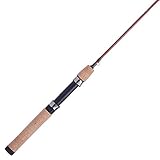
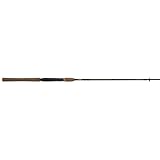


At a Glance: Rods Worth Shortlisting
| Rod | Best for | Stated or typical traits | Limits |
|---|---|---|---|
| Ugly Stik GX2 spinning | Beginners, families, rough handling | Graphite and fiberglass composite blank; the maker offers medium models in common 6′ to 7′ lengths | Heavier and less sensitive than all-graphite blanks |
| St. Croix Triumph spinning | Budget-to-mid anglers wanting graphite feel | Graphite blank; medium models listed in several lengths by the maker | Fewer specialist tapers than premium series |
| St. Croix Avid or Premier spinning | Sensitivity-focused bass and walleye anglers | Higher-grade graphite, lighter weight, premium guides per the maker | Premium tier, easier to damage than composite |
| Shimano Sojourn or Solora spinning | Entry-level versatile use | Graphite blanks; medium action in familiar lengths | Model availability varies by region |
| Okuma or Penn travel-style spinning | Travel, backpacking, boat storage | Multi-piece designs that pack short | Extra joints can slightly change feel |
| Fenwick HMG or G. Loomis spinning | Serious sensitivity and light weight | High-modulus graphite, upper tier | Premium tier, narrower use per rod |
Series names and exact models change between model years, so treat the rows above as families to look up on the maker’s own page rather than fixed specifications. Lengths, line ratings and lure weights are printed on the blank itself, which makes it easy to confirm what a specific rod is rated for.
What “Medium Action” Actually Means
Action describes where a rod bends. Power describes how much force it takes to bend it. Makers label the two separately, and an anglers’ confusion usually comes from mixing them up. A medium power rod can have fast, moderate or slow action, and a medium action rod can have light or heavy power.
- Fast action: bends mostly in the top third. Good for single-hook lures and firm hook sets.
- Moderate or medium action: bends into the middle of the blank. Better for treble-hook crankbaits and live bait because the bend absorbs sudden lunges.
- Medium power: usually paired by makers with line in roughly the 6 to 12 pound class and lures in the quarter-ounce to three-quarter-ounce range, though each maker prints its own numbers on the blank.
When a listing says “medium action spinning rod,” read the full spec line. Many retail titles use the term loosely to mean medium power with fast action. If you want the slower, more forgiving bend, look for the word “moderate” in the maker’s description.
Choosing by Length
6′ to 6’6″
Short rods give control in tight cover, kayaks and small streams. They cast less distance but are easier to store and easier for younger anglers to handle.
6’6″ to 7′
This is the sweet spot. It balances casting distance, accuracy and hook-setting leverage, which is why most general-purpose medium spinning rods fall here.
7’6″ and longer
Longer rods throw lightweight lures farther and help with line control when drifting or fishing from piers and shorelines, at the cost of precision and transport convenience.
Blank Material: Composite, Graphite or Fiberglass
| Material | Strengths | Trade-offs |
|---|---|---|
| Graphite | Lighter, more sensitive to light bites | Can chip or snap under hard knocks |
| Graphite and fiberglass composite | Durable and forgiving, good for beginners | Heavier, less sensitive |
| Fiberglass | Very tough, soft bend suits treble hooks | Slow recovery, heavy for long sessions |
Reel Pairing and Line
For a medium spinning rod, many anglers choose a 2500 or 3000 size spinning reel, a sizing system where the number loosely reflects spool and body size across makers. A reel that is too large makes the outfit tip-heavy, while one that is too small struggles with line capacity when a bigger fish runs. Braided line gives more sensitivity and range but benefits from a fluorocarbon or monofilament leader, while monofilament is more forgiving for beginners. Always check the line-weight range printed on the blank rather than going above it.
Pick X If… Decision Table
| Pick this | If you |
|---|---|
| Ugly Stik GX2 class composite | Want a tough first rod that tolerates trunk travel and boat decks |
| St. Croix Triumph class graphite | Want a lighter graphite feel without moving into the premium tier |
| St. Croix Avid or Premier class | Fish finesse presentations and value sensitivity |
| Multi-piece travel spinning | Fly to fishing destinations or keep rods in a small vehicle |
| Premium Fenwick or G. Loomis class | Fish often and want the lightest, most responsive blank |
Budget Tiers
Budget: Composite blanks and basic guides. Durable and perfectly capable for panfish, catfish, bass and trout. Mid-range: All-graphite blanks, better guide inserts and nicer handles. Most anglers find this tier hits the best balance. Premium: High-modulus graphite, lighter swing weight, and more precise tapers. Worth it mainly for frequent anglers and finesse specialists.
Common Mistakes
- Buying on length alone and ignoring the line and lure rating printed on the blank.
- Assuming a medium rod can do everything. Very light lures and heavy swimbaits fall outside its range.
- Pairing a heavy reel with a light blank, which ruins balance.
- Overloading rod with line heavier than the maker lists, which risks blank damage on a hard hook set.
- Storing or transporting a rod without a sleeve or tube, causing guide damage.
Alternatives to Consider
If medium feels like too much for small trout and panfish, a light or medium-light spinning rod in the 5’6″ to 6’6″ range gives a more delicate feel. If you fish heavier cover or bigger saltwater species, medium-heavy is the better step up. For spinning anglers who prefer a different feel, a medium baitcasting rod suits heavier lures and strong lines once casting skill is comfortable.
Frequently Asked Questions
Is a medium action spinning rod good for bass?
Yes. Medium power is a common choice for bass lures in the quarter-ounce to half-ounce range, and a 6’6″ to 7′ length covers most situations. Pick a fast-action blank for single-hook lures and a moderate action blank for crankbaits.
What size reel goes with a medium spinning rod?
A 2500 or 3000 size reel is a typical match for general freshwater use. Check the reel and rod maker’s specifications, because sizing numbers are not identical across brands.
What is the difference between action and power?
Action describes where the rod bends along its length, while power describes how much force it takes to bend it. A rod can be medium power with fast action, so read both labels.
Is a one-piece or two-piece rod better?
One-piece rods are often described as slightly more sensitive and have no joint to loosen, while two-piece rods are easier to carry and store. For most anglers the difference in feel is small compared with the benefit of easier transport.
Can I use a medium rod for saltwater inshore fishing?
For smaller inshore species and light lures it can work, but rinse the rod and reel with fresh water after every trip. Check the maker’s description to see whether the guides and reel seat are rated for saltwater use.
How do I care for a spinning rod?
Wipe it down after use, keep it in a sleeve or rack, and check the guide inserts for cracks that can fray line. Avoid closing car doors on the tip, which is a common cause of broken blanks.


Write Your Review
No reviews yet. Be the first to share your experience!