
A manual pump-up 1 gallon sprayer from a maker such as Chapin is the best fit for most small yards, while a battery-powered 1 gallon model suits anyone who sprays often or has weak hands, and the main choice that separates good from frustrating is seal material: pick Viton seals if you plan to spray anything harsher than water-based products.
As an Amazon Associate we earn from qualifying purchases at no extra cost to you.

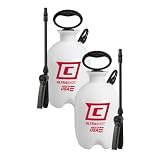


What a 1 gallon sprayer is good for
A one gallon tank covers spot weed treatment, patio cleaning, fertiliser or fungicide on a few beds, and household uses such as sanitiser or pet-safe cleaners where the label allows. It is easy to carry and store. Larger lawns usually call for a backpack sprayer because the tank volume, pumping effort and refills add up quickly.
Safety note: always follow the product label for the chemical you spray, use a sprayer dedicated to one kind of chemical (herbicide sprayers should never be reused for fertiliser or food-related uses), wear the protective gear the label names, and never mix products unless the label says it is safe.
At a glance
| Type | Example families | Best for | Key points from the maker | Limits |
|---|---|---|---|---|
| Manual pump-up with poly tank | Chapin 1 gallon poly sprayers (such as the 20000 and similar lawn and garden models), Roundup and Ortho branded pump-ups | Occasional garden and lawn spot work | Chapin lists adjustable nozzles, a translucent tank for seeing the level and a pressure relief feature on its poly pump sprayers | Pumping fatigue; pressure drops during use |
| Manual with Viton seals | Chapin and other brands’ chemical-resistant versions | Harsher chemicals, solvents or oil-based products | Viton seals are rated by makers for wider chemical compatibility | Cost more; still check each product label |
| Battery-powered | Ryobi and other cordless 1 gallon models, Chapin battery units | Frequent use, steady pressure, less hand strain | Makers list an electric pump and rechargeable battery with a trigger | Battery upkeep; seal and tank design matter |
| Trigger handheld bottle | Various | Cleaning and very small tasks | Simple, no pump | Much smaller volume; not a true pressure sprayer |
Model numbers change often. Confirm tank size, seal material and nozzle details on the maker’s current product listing.
Choosing by features
Seals and hoses
Seals determine which products the sprayer handles. Many entry models use general-purpose seals suited to water-based products. Viton or other chemical-resistant seals are listed for broader use. If the product label of your chemical advises against certain seal materials, follow it.
Nozzle and spray pattern
An adjustable nozzle covers fine mist, cone and stream patterns. Fan nozzles give an even sweep for lawn herbicides, while a cone gives wider coverage for foliage. Some sprayers include a brass tip, which can resist wear longer than plastic according to makers.
Tank and lid
A wide mouth makes filling and cleaning easier. Graduated markings help with mixing, and a lid that threads firmly reduces leaks. A shoulder strap helps when you carry a full tank, which weighs roughly the same as a gallon of water, so about eight pounds plus the sprayer.
Pump and pressure
Manual pumps ask you to stop and pump as pressure drops. A pressure relief valve lets you vent before opening the tank, which is important for safety. Battery units hold a steadier pressure but add charging and replacement battery costs.
Ergonomics
A lockable trigger reduces hand fatigue. Look at wand length too: a longer wand helps you spray low weeds without bending.
Budget, mid-range and premium tiers
Budget sprayers are basic poly pump-ups with general seals. They are fine for water-based tasks and occasional jobs. Mid-range models improve nozzles, seals and build, and many sit within the Chapin and Solo lines. Premium options include Viton-sealed pumps, brass wands and cordless electric models. Pay more if you spray regularly or use a variety of products.
Pick X if …
| Your situation | Pick | Reason |
|---|---|---|
| Weeds and fertiliser on a small yard, now and then | Manual poly pump-up from Chapin or a similar maker | Simple and inexpensive |
| Different or harsh chemicals | Viton-sealed sprayer | Broader chemical compatibility as listed by makers |
| Frequent spraying or limited hand strength | Battery-powered 1 gallon model | No manual pumping |
| Cleaning or very small tasks | Handheld trigger bottle | Lighter and quicker |
| Larger lawn | Backpack sprayer instead | More volume and less carrying |
Alternatives
A two gallon pump-up sprayer holds twice the volume and may save refills without being too heavy. A backpack sprayer suits larger yards. For lawns, a hose-end sprayer or broadcast spreader may be simpler for granular fertiliser, since pump sprayers are really for liquids.
Common mistakes
- Using the same sprayer for herbicides and for other products.
- Skipping rinsing; residue can clog nozzles and damage seals.
- Overfilling and over-pumping beyond the maker’s pressure guidance.
- Opening a pressurised tank without releasing pressure first.
- Storing with liquid inside.
- Spraying on windy days, which drifts product onto plants or people.
Cleaning and storage
Rinse the tank and wand with clean water after each use, spray clean water through the nozzle, and let everything dry with the lid off. Label sprayers by use. Replace worn seals and O-rings when pumping gets stiff or leaks appear, and store away from children and from direct sun.
Frequently Asked Questions
Is a 1 gallon sprayer enough for a lawn?
For a small patch or spot treatment, yes. For a full lawn you would refill often, so a larger tank or backpack unit is usually more practical. Label rates determine how much liquid you need.
What does Viton mean on a sprayer?
Viton is a chemical-resistant seal material. Makers use it to widen the range of liquids a sprayer can handle. Always check the chemical label too.
Can I use the same sprayer for weed killer and fertiliser?
It is better not to. Even after rinsing, herbicide residue can harm plants. Keep a separate, clearly labelled sprayer for each purpose.
How do I stop the nozzle from clogging?
Use filtered or clean water, dissolve powders fully before filling, and rinse after each use. A fine nozzle clogs more easily, so clean the tip as the manual describes.
Are battery sprayers worth it?
If you spray often or find pumping tiring, they can be. Consider battery life and whether replacement batteries are available. Manual units remain simpler and cheaper.
Why does my sprayer lose pressure?
Worn seals, a loose lid or a leaking hose connection are common causes. Check these and replace parts using the maker’s list.



Write Your Review
No reviews yet. Be the first to share your experience!