
- Top Pick: 2 Person Trekking Pole Tent, Ultralight Camping Backpacking Tent (NO POLES) | A-Frame, Two Person Tent, Waterproof, Lightweight 3.2 lbs, 3-Season, Outdoor Hiking Tent for Scout, Poles NOT Included
- Best Value: TOMOUNT Ultralight Trekking Pole Tent for 1-2 Person,Lightweight Backpacking Tent,Waterproof Windproof Tents for Climbing,Camping,Hiking,Trekking (102in×39.4in)
- Premium Choice: Nature Link Altair One Ultralight Backpacking Tent, 1 Person Trekking Pole Tent, Waterproof, Compact, 3 Season, Double Wall Shelter for Backpacking, Camping, Thru Hiking, Trekking
The Durston X-Mid is the trekking pole tent most 2026 roundups name as the best value, Zpacks makes the lightest options, Six Moon Designs offers the budget solo pick, and Gossamer Gear sits in the middle. A trekking pole tent replaces dedicated tent poles with the hiking poles you already carry, which is why these shelters weigh so little. The details below come from reviewers such as Switchback Travel, SectionHiker, OutdoorGearLab and Outdoor Life, and from the makers’ own lineups.
As an Amazon Associate we earn from qualifying purchases at no extra cost to you.


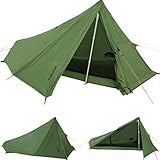
Trekking Pole Tents at a Glance
| Tent | Sleeps | Best for | Reported notes | Limit |
|---|---|---|---|---|
| Durston X-Mid 2 | 2 | Best overall or value | Gear and Home names it best overall; Switchback calls it a roomy double-wall shelter under two pounds | Needs good stake placement |
| Durston X-Mid Pro 1 | 1 | Solo ultralight | OutdoorGearLab picks it as best one-person ultralight; SectionHiker lists 15.5 oz | Premium material tier |
| Zpacks Duplex | 2 | Lightest two-person | OutdoorGearLab picks the Duplex Classic as best two-person ultralight; Switchback calls the Duplex Pro the lightest in its lineup | Most expensive tier |
| Zpacks Pivot Solo | 1 | Minimal solo weight | SectionHiker lists 13.5 oz | Premium cost, minimal interior |
| Six Moon Designs Lunar Solo | 1 | Budget solo | Treeline Review names it a favourite affordable ultralight; maker lists 26 oz and over 26 sq ft of floor | Heavier than premium options |
| Six Moon Designs Lunar Duo | 2 | Budget two-person | About 2 lb per Switchback | Single pole design |
| Gossamer Gear The ONE and The TWO | 1 and 2 | Middle ground | Outdoor Life names them best overall; The Two is about 1 lb per Switchback | Less roomy than some rivals |
| Gossamer Gear Whisper | 1 | Lightest in its line | Outdoor Life names it lightest | Minimal protection |
How Trekking Pole Tents Work
Instead of dedicated poles, the tent is held up by your trekking poles set to a specified height. The shelter is tensioned with stakes and guylines, which means pitch quality depends on ground conditions and technique. Tents like the X-Mid use a symmetrical pyramid-style layout where two poles hold up the ends. The Lunar Solo uses a single pole design, according to the reviews.
How to Choose
Pole length and compatibility
Each tent specifies a pole height, and your poles need to reach it. Check the maker’s listing, and confirm whether the tent needs fixed length or adjustable poles. If you do not hike with poles, a trekking pole tent is a poor fit unless you buy poles for it.
Single or double wall
Double-wall tents, like the X-Mid, separate the inner mesh from the outer fly, which reduces condensation contact. Single-wall designs save weight but can feel clammy. Reviewers regularly mention condensation as the key trade-off.
Material and weight
Zpacks and some premium models use Dyneema fabric, which is light but expensive. Nylon and polyester options such as Durston X-Mid and Six Moon Designs shelters are heavier but cheaper, and Switchback Travel notes the savings against Dyneema.
Interior size
Weight is not everything. A one-person tent with a narrow floor is tight for a tall sleeper or for gear. Compare floor dimensions and peak height on the maker’s page.
Weather and site
Stakes matter. On rock, sand or frozen ground, you may need alternative anchors. Pyramid-style shelters shed wind and rain well when pitched properly, but a poor pitch flaps and leaks.
Budget Tiers
- Budget: Six Moon Designs Lunar Solo and Lunar Duo.
- Mid-range: Durston X-Mid line and Gossamer Gear The ONE and The TWO.
- Premium: Zpacks Duplex and Pivot, and Durston Pro models.
Pick X If You Want Y
| Pick | When |
|---|---|
| Durston X-Mid 2 | You want the most-cited all-round value |
| Durston X-Mid Pro 1 | You are solo and want an ultralight double-wall |
| Zpacks Duplex | You want the lightest shelter and accept the cost |
| Six Moon Designs Lunar Solo | You want the cheapest solo option |
| Gossamer Gear The TWO | You want a mid-weight couple shelter |
Alternatives
- Freestanding tents: Easier to pitch on hard ground but heavier.
- Tarps: Lighter still, with less protection from insects and wind.
- Hammock systems: A different approach that needs trees.
Common Mistakes
- Buying a tent that needs poles you do not own.
- Ignoring stake needs and carrying too few.
- Pitching low and tight, which restricts airflow.
- Picking weight over livable space.
- Not practising a pitch at home before a trip.
Never use stoves or open flames inside a tent; follow the maker’s guidance and local fire rules.
Pitching and Packing Tips
Practise the pitch in a yard before a trip. Stake the corners first, then raise the poles and adjust tension, and use the guyline points on the fly when wind is expected. Orient the narrow, lower end into the wind where the design allows. Carry spare stakes and a few cord lengths, and consider heavier stakes for soft ground. Because the tent depends on your poles, protect them when packing: a bent or broken pole leaves you without a shelter. Dry the fly when you can, store the tent loosely rather than tightly compressed for long periods, and seam-seal or re-treat only as the maker instructs. Check the maker’s stated packed size and weight, including stakes and stuff sack, since listed minimum weights often exclude some items.
Frequently Asked Questions
Do I need trekking poles to use these tents?
Yes, that is the design. If you hike without poles, consider a freestanding tent or buy poles that match the tent height.
Are trekking pole tents good in wind?
They can be, when pitched taut with solid stakes. A loose pitch will flap. Practice pitching before relying on one.
Is Dyneema worth the cost?
It saves weight and does not absorb water, but reviewers note nylon options like the X-Mid save a lot of money with a small weight penalty.
Which is best for a beginner?
Many roundups point to the Durston X-Mid for its value and straightforward pitch. Read the maker’s instructions.
Can I use one in snow?
Some designs handle it, but check the maker’s listing and pitch height. Heavy snow loads can stress any shelter.
How do I handle condensation?
Ventilate, pitch with the fly raised, and avoid camping in damp hollows. Double-wall designs help.



Write Your Review
No reviews yet. Be the first to share your experience!