
- Top Pick: Texas Bushcraft Emergency Camping Tarp, Waterproof 10×10 Emergency Shelter for Backpacking and Hiking, 70D Ripstop Nylon Survival Tarp with Reflective Aluminized Polymer and Loop Ties with Grommets
- Best Value: OneTigris Bulwark Camping Tarp, 12.8ft x 9.5ft Large Bushcraft Tarp | 100% waterproof, Anti UV, Lightweight hammock rain fly, Versatile tent tarp with 19 tie out points, Weighs only 2.4lbs
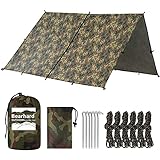
- Premium Choice: Bearhard 10x10ft/10x12ft Large Waterproof Camping Tarp, Lightweight Hammock Rain Fly
For bushcraft, the AquaQuest Defender is the tarp most 2026 roundups put at or near the top for harsh weather, a mid-sized sil or polyurethane-coated ripstop nylon tarp in the 3 by 3 meter range is the most versatile all-rounder, and a budget polyester or nylon rain fly is enough for fair-weather overnighters. What matters most is the waterproof rating, the number and strength of tie-outs, the weight and the size you need for a lean-to, A-frame or diamond pitch.
As an Amazon Associate we earn from qualifying purchases at no extra cost to you.



Short answer by trip
- Heavy rain, cold, long stays: AquaQuest Defender, listed in roundups with a 20,000 mm rating, 19 tie-outs, a lifetime warranty and a weight of about 3.3 pounds.
- All-round lightweight kit: AquaQuest Safari, which Emergency Gear Lab calls the strongest all-round buy for most kits, listed at around 1.2 lb in a 10 by 7 foot size.
- Budget: DD Hammocks tarps (roundups cite 790 g and fully taped seams), the Redcamp 10 by 10 and the Free Soldier.
- Cheap rain fly: Ryno Tuff 10 by 10, listed at 3,000 mm with stakes included.
- Cold and emergency: Texas Bushcraft Emergency Tarp, with 70D ripstop nylon, a reflective aluminized backing and 19 tie-outs.
- Ultralight premium: Hyperlite Mountain Gear flat tarp.
- Maximum pitching options: Gold Armour, which Thomas Acres credits with 33 tie-down loops and two centrelines.
At a glance
| Tarp | Best for | Reported specs | Limits |
|---|---|---|---|
| AquaQuest Defender | Harsh weather | 20,000 mm; 19 tie-outs; heat-taped seams; lifetime warranty; about 3.3 lb | Heavy and sizable; premium tier |
| AquaQuest Safari | Lightweight all-rounder | About 1.2 lb in 10 by 7 foot per Emergency Gear Lab | Smaller coverage than larger tarps |
| DD Hammocks tarp | Sensible budget all-rounder | About 790 g; fully taped seams | Check the size for your pitch |
| Redcamp 10 by 10 | Budget coverage | 10 by 10 foot size | Less robust than premium models |
| Ryno Tuff 10 by 10 | Cheap rain fly | 3,000 mm rating; stakes included | Lower waterproof rating |
| Texas Bushcraft Emergency | Cold and emergency kits | 70D ripstop nylon; heat-reflective backing; 19 tie-outs | Heavier than ultralight tarps |
| Hyperlite Mountain Gear flat tarp | Ultralight backpacking | Premium ultralight material | Premium tier; delicate when abused |
| Gold Armour | Flexible pitching | 33 tie-down loops; two centrelines per Thomas Acres | More lines to manage |
Figures are taken from outlet roundups and product descriptions. Confirm sizes, weights and ratings on the maker’s page, because versions and sizes differ.
How to choose a bushcraft tarp
Fabric and coating
Roundups say sil-coated or polyurethane-coated ripstop nylon offers the best durability-to-performance ratio. Silnylon is light and sheds water well but can sag when wet and is slippery to pitch. Polyester stretches less. Heavier polyethylene tarps are cheap but bulky and less durable.
Waterproof rating
Hydrostatic head, in millimeters, tells you how much water pressure the fabric resists before leaking. Thomas Acres highlights a huge spread, from 2,000 mm to 20,000 mm, in bushcraft tarps. For light rain, a lower figure is workable. For sustained downpours or exposure to wind-driven rain, aim for a higher rating and taped seams.
Size
A 3 by 3 meter tarp is described by roundups as the most versatile for solo use because it lets you pitch a lean-to, A-frame or diamond with room to spare. Larger tarps suit pairs or groups, but they weigh more and need bigger trees or poles. Smaller tarps cut weight for ultralight trips.
Tie-outs and reinforcement
Count the loops and look at how they are attached. Bar-tacked tie-outs and reinforced corners prevent tearing in wind. Centrelines let you hang the tarp from a ridgeline without a separate cord. Thomas Acres credits the Defender with bar-tacked tie-outs and braced corners.
Weight and packed size
Heavier tarps are tougher but add pack weight. A tarp near 1.2 lb is easy to carry, while one near 3.3 lb is a car-camp or base-camp piece.
Colour and fire considerations
Earth tones blend in; bright orange helps in emergencies. Keep tarps well away from open flames and sparks, because most coated fabrics melt or burn. A reflective backing, like the one on the Texas Bushcraft tarp, is described as a way to reflect heat back toward the user, but it does not make the fabric fireproof, and you should keep fire at a safe distance.
Decision table: pick X if
| Pick | If you |
|---|---|
| AquaQuest Defender | face serious rain or wind and accept the weight |
| AquaQuest Safari | want one tarp for most kits at moderate weight |
| DD Hammocks tarp | want a proven budget all-rounder |
| Ryno Tuff or Redcamp | need a cheap fly for fair weather |
| Texas Bushcraft Emergency | want cold-weather and emergency utility |
| Hyperlite flat tarp | count every gram and can spend at the premium tier |
| Gold Armour | like testing many pitch styles |
Budget tiers
Budget: basic polyester or nylon with lower waterproof ratings and fewer tie-outs. Mid-range: coated ripstop nylon with taped seams, good loop counts and sensible weight, the class of the DD and many AquaQuest sizes. Premium: the Defender class for weather and Hyperlite for weight, with longer warranties.
Pitching basics
Pick a site away from dead branches and flood-prone ground. A taut ridgeline, set at a height that leaves room to sit, supports an A-frame. A lean-to works well with a fire reflector wall when conditions are safe. Angle the low edge into the wind, stake the corners firmly and use a drip line on the ridgeline to keep water from running down the cord. Practice at home to learn the knots before you need them in the rain.
Common mistakes
- Choosing a waterproof rating without checking seams. Untaped seams leak.
- Buying too small. A tarp that barely covers one sleeper in calm air will leave you wet in a crosswind.
- Skipping cordage, stakes and a ridgeline, which are often sold separately.
- Pitching too high and letting rain blow under the edges.
- Storing a tarp wet, which can lead to mildew and coating breakdown.
- Camping where local rules forbid cutting living trees or building fires. Follow local regulations and leave-no-trace practices.
Many pages ranking tarps are affiliate-driven and some are more than a year old. Use them for model names, then read the maker’s specifications for your size.
Alternatives
- A hammock tarp or rain fly: shaped for hammock pitching, often catenary cut.
- A tent or bivy: better bug and wind protection.
- A poncho tarp: double-duty rain gear for minimalist kits.
Frequently Asked Questions
What is the best bushcraft tarp overall?
The AquaQuest Defender is most often cited as the best for tough weather, with a 20,000 mm rating and 19 tie-outs listed. The AquaQuest Safari is the lighter all-rounder many roundups favor.
What size tarp do I need?
A 3 by 3 meter tarp is described as the most versatile for one person. Choose larger for two people or storage space under the cover, and smaller to save weight.
What waterproof rating is enough?
Roundups show a wide range, from about 2,000 mm to 20,000 mm. Light rain can be handled by lower numbers, but sustained storms call for higher ratings and taped seams.
Silnylon or polyester?
Coated ripstop nylon is described as the best balance of weight and durability. Polyester stretches less when wet, which can help pitch stability.
Can I use a tarp near a fire?
Keep it well away. Coated fabrics can melt or burn, so maintain a safe distance and follow the maker’s guidance and local fire rules.
Do tarps come with stakes and cord?
Some do, like the Ryno Tuff listing that includes stakes, but many do not. Check what is in the box and plan to carry a ridgeline cord and stakes.


Write Your Review
No reviews yet. Be the first to share your experience!