
- Top Pick: Ahopegarden Indoor Garden Hydroponics Growing System: 10 Pods Kit with LED | Plant Germination Kit Herb Vegetable Growth Lamp Countertop, Hydroponic Planter Grower Harvest Lettuce for Healthy Home Cooks
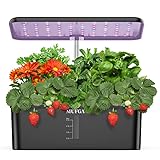
- Best Value: MUFGA 12 Pods Hydroponics Growing System, Indoor Garden with LED Grow Light, Plants Germination Kit, Mini Herb Garden with Pump System, Height Adjustable (No Seed)
- Premium Choice: Ahopegarden Hydroponics Growing System Kit: 12 Pods with LCD Control Panel | Indoor Herb Garden with Grow Light, Planting Height Up to 17", Grow Harvest Fresh Veggie Lettuce for Beginner Gardeners Black
For most people, a countertop pod system such as AeroGarden’s Harvest or Bounty lines is the easiest way into indoor hydroponics, while Gardyn suits growers who want a tall, high-capacity unit with camera monitoring, and Click & Grow suits anyone who wants a quiet, low-effort herb garden. Gamers who already keep a desk setup running will find that these systems are really small appliances: a reservoir, a pump, an LED light and a timer. What separates them is capacity, light strength, how locked-in the refill pods are, and how much space they take.
As an Amazon Associate we earn from qualifying purchases at no extra cost to you.



At a Glance: Which System Fits Which Grower
| System | Best for | Reported strengths | Limits |
|---|---|---|---|
| Gardyn (Home 3.0 and newer) | High capacity in a small floor footprint | Reviewers describe a roughly five-foot tower holding about 30 plants, with camera-based plant monitoring | Premium tier; tall; pod-based refill ecosystem |
| AeroGarden Bounty | Beginners who want tomatoes, peppers and bigger plants | Reviews credit a stronger light panel for fruiting crops | Takes counter space; some roundups question the brand’s availability, so confirm it is on sale before buying |
| AeroGarden Harvest | Small kitchens and herbs | Simple controls and a compact body | Fewer pods; limited headroom for tall plants |
| AeroGarden Farm XL | Households that want many plants at once | Often rated the best large-capacity pod system in reviews | Large footprint; more water to manage |
| Click & Grow Smart Garden 3 or 9 | Bedrooms, offices, design-minded buyers | Described as silent and minimalist | Slower growth reported; only the maker’s own pods fit |
| LetPot LPH-Max or LPH-SE | Tech-minded buyers who like app control | Reviewers list app features and faster basil harvests than Click & Grow | Newer brand; smaller refill ecosystem |
| URUQ or iDOO 12-pod units | Budget tier | Picked as value options in several roundups | Plainer build; fewer smart features |
How Indoor Hydroponic Systems Differ
Every system in this guide grows plants in water with dissolved nutrients rather than in soil. Beyond that, three design styles dominate the consumer market.
Pod-based countertop gardens
These use sealed seed pods that sit in holes in a lid over a water bowl. A grow light hangs on an arm above. They are the simplest option: you add water and liquid nutrient when prompted, and the light follows a preset schedule. AeroGarden, Click & Grow and most budget brands use this format.
Vertical towers
Gardyn is the best-known example. Plants sit in a column, and the system circulates water from a reservoir at the base. The attraction is plant count per square foot. The trade-off is height, since the unit stands taller than most people, and it needs a spot with floor space and access to power.
DIY and open systems
Buyers who want to use their own seeds can look at kits with generic grow baskets. These need more attention to nutrient strength, pH and light schedules, and are better suited to people who already enjoy tinkering with hardware.
Key Specs to Compare
- Pod or plant count: Three pods is enough for a herb corner. Nine to twelve suits a household that cooks often. Twenty-four or more is a serious commitment of counter space.
- Light strength: Leafy greens and herbs are happy with modest light. Tomatoes, peppers and strawberries ask for far more, so reviewers point to higher-wattage panels for fruiting crops. Read the maker’s stated wattage and the light height range.
- Height clearance: The light arm on most pod systems rises to a limited maximum. A plant that outgrows it will need pruning.
- Reservoir size and refill alerts: A larger reservoir means fewer top-ups. Reminders for water and nutrients are common on mid-range units.
- Noise: Reviewers note that Click & Grow models are very quiet; pump noise matters in bedrooms and home offices.
- Refill ecosystem: Some systems accept only the maker’s own pods. Others let you plant seeds in generic sponges or baskets. That affects long-term running cost.
- Connectivity: Wi-Fi apps are optional. They suit people who want schedules and reminders on a phone, but the plants do not need them.
Decision Table: Pick X If…
| Pick this | If you… |
|---|---|
| Gardyn | want the most plants in the smallest floor area, are comfortable with a premium budget and like camera-assisted monitoring |
| AeroGarden Bounty or Farm XL | want a proven pod format, expect to grow bigger plants, and have a counter or shelf with headroom |
| AeroGarden Harvest | have a small kitchen and mostly want basil, parsley and similar herbs |
| Click & Grow Smart Garden | care about looks and silence more than harvest speed |
| LetPot LPH series | prefer phone control and quicker herb turnaround, and accept a newer brand |
| URUQ or iDOO | are on a tight budget and want an entry-level pod garden |
Budget Tiers
Budget: Twelve-pod units from URUQ and iDOO are named as value options in roundups. Expect basic timers and fewer extras. They are enough to learn how hydroponics works with herbs and lettuce.
Mid-range: The AeroGarden Harvest, Bounty and Farm XL, LetPot LPH-SE and Click & Grow Smart Garden 3 and 9 sit here. This is where most first-time buyers land.
Premium: Gardyn occupies this tier, along with larger Click & Grow models such as the 27-pod unit. The extra spend buys capacity, automation and, on Gardyn, camera-based checks.
Placement and Safety Notes
Hydroponic systems combine water and electricity, so keep the power adapter and plug away from the reservoir and wipe up spills before plugging back in. Follow the maker’s manual for cleaning, nutrient dosing and where to place the unit. Avoid placing a unit where a pet or child can pull the cord or tip the tank. Light panels can be bright, so reviewers suggest placing them away from where you sleep or game, since the glow can be distracting in a dimmed room. If a unit is damaged or a cord overheats, stop using it and contact the maker or a qualified electrician.
Common Mistakes
- Buying for capacity you will not use. A large system with half the slots empty wastes space and electricity.
- Ignoring height. Tomato and pepper plants outgrow smaller light arms.
- Overlooking pod lock-in. If you want to grow your own seed varieties, confirm the system accepts them.
- Skipping cleaning. Algae and slime in a reservoir are common complaints, and the maker’s cleaning schedule exists for a reason.
- Expecting soil-garden results from the cheapest unit. Reviewers note growth speed varies noticeably between brands.
Alternatives to Consider
- Windowsill herb pots in soil: Cheaper and silent, but dependent on daylight.
- A standalone full-spectrum grow light over your own planters: Flexible for experienced growers.
- Kratky-style jar setups: A no-pump approach popular with hobbyists; best for lettuce and herbs.
Several of the roundups consulted for this guide are affiliate-style sites and some are a few months old, so treat specific capacity and light figures as the makers’ claims and read the maker’s own spec sheet before buying.
Frequently Asked Questions
What is the easiest indoor hydroponic system for a beginner?
Pod-based units such as AeroGarden’s Harvest or Bounty and Click & Grow’s Smart Garden are the usual beginner picks in reviews. They ship with seeds in pods and handle lighting on a timer. You mainly top up water and nutrient when prompted.
Can I grow tomatoes and peppers indoors with hydroponics?
Yes, but they need a stronger light and more vertical room than herbs. Reviewers point to higher-wattage models like the AeroGarden Bounty for fruiting plants. Expect more pruning and a longer wait than for basil or lettuce.
Do I need Wi-Fi or an app?
No. The plants grow on the built-in light schedule. Apps add reminders and remote control, which are useful but optional. Gardyn and LetPot lean on app features more than the simplest pod units.
How often do I need to refill water and nutrients?
It depends on reservoir size and how many plants are drinking. Most pod systems prompt you every one to two weeks. Follow your model’s manual for the nutrient schedule.
Are hydroponic gardens noisy or bright?
Pump noise is low on most units, and reviewers call Click & Grow models silent. The light is the larger issue because it can be bright in a bedroom or a dimmed gaming room, so choose a spot accordingly.
Is hydroponic produce safe to eat?
Plants grown in clean water with food-grade nutrients sold by the maker are commonly eaten. Keep the reservoir clean, wash produce, and use only the nutrients the manufacturer specifies.


Write Your Review
No reviews yet. Be the first to share your experience!