
Top Rtx 3090 5080 Which Gpu Picks for 2026
Here are our current top rtx 3090 5080 which gpu picks, compared on real Amazon owner reviews, price, and features. Live prices update below.


Limited Time
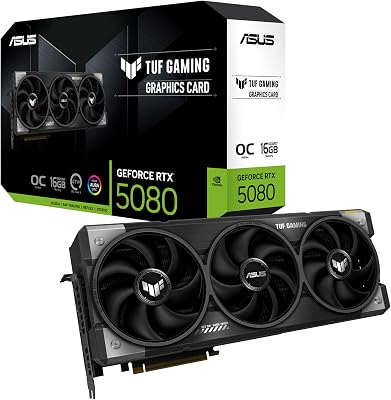
Gigabyte 24GB NVIDIA GeForce RTX 3090 Turbo GDDR6X Graphics Card Model GV-N3090TURBO-24GD (Renewed)


3090 vs 5080 is a matchup that perfectly captures how far GPU design has moved in just a few generations, pitting NVIDIA’s 2020 Ampere flagship against its modern Blackwell mid-high tier. The RTX 3090 launched at $1,499 with a colossal 24 GB buffer, while the RTX 5080 arrived around $999 with newer memory, far better efficiency, and DLSS 4. This comparison lays out exactly where each card leads, who each one suits, and how current market forces shape the smarter purchase in a year when waiting rarely pays off.
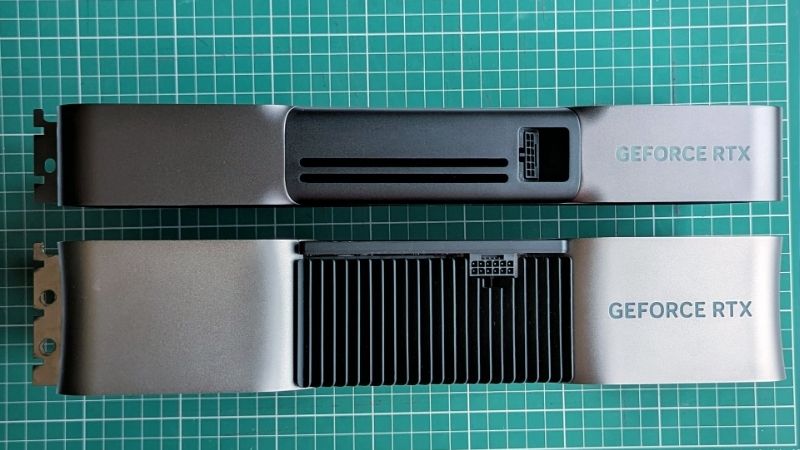
RTX 3090 vs 5080: The Quick Verdict and Specs
For readers who want the conclusion up front, this section gives the verdict, the key numbers, and the market context that frames the whole 3090 vs 5080 decision. The pattern echoes the wider generational story: modern efficiency and features beat raw legacy capacity for most buyers.
The Quick Verdict: Which Card Wins Overall
The RTX 5080 is the smarter buy for the large majority of users in 2026. It outperforms the 3090 in modern gaming and ray tracing, draws less power, adds DLSS 4 Multi Frame Generation, and costs less than the 3090’s original price. The 3090 retains a single decisive advantage: its 24 GB of memory, which still matters for the most memory-hungry creative and AI workloads.
The short version is to pick the RTX 5080 for gaming, efficiency, and modern features, and to favor a 3090 only if you find one cheaply and genuinely need the larger buffer. For pure gaming the decision is straightforward, and only specialized memory-bound work shifts it toward the older card.
It is worth being clear about how narrow that exception is. The 3090’s capacity advantage matters for running large local AI models and certain professional rendering and video tasks, but it does almost nothing for gaming, where 16 GB is ample at the resolutions the 5080 targets. So unless your workload specifically fills that 24 GB buffer, the extra memory is capability you pay for and rarely use.
Buyers who already know their priority can check live pricing and availability through the link in this section, since stock on both cards moves quickly under current supply pressure.
RTX 3090 vs 5080 Specifications Compared
The table below shows why the newer card wins despite the 3090’s larger, wider memory configuration. The 5080 counters capacity with newer GDDR7, next-generation cores, and a meaningfully modern feature set that the raw numbers alone understate.
| Specification | RTX 5080 | RTX 3090 |
|---|---|---|
| Architecture | Blackwell | Ampere |
| Process Node | TSMC 4N | Samsung 8nm |
| CUDA Cores | 10,752 | 10,496 |
| VRAM Capacity & Type | 16 GB GDDR7 | 24 GB GDDR6X |
| Memory Bus Width | 256-bit | 384-bit |
| Ray Tracing Cores | 4th Generation | 2nd Generation |
| Tensor Cores | 5th Generation | 3rd Generation |
| DLSS Support | DLSS 4 (Multi Frame Gen) | DLSS 2 (no Frame Gen) |
| Thermal Design Power | 360W | 350W |
| Launch Price | $999 | $1,499 |
The cards sit close on core count and power, but the 5080 converts its resources into far more usable performance thanks to GDDR7 bandwidth, a larger cache, and a vastly more modern feature set. The 3090’s advantage is concentrated almost entirely in its 24 GB capacity, which is decisive for a narrow set of workloads and largely irrelevant for the rest.
Market News Shaping the 3090 vs 5080 Decision
Timing is part of this comparison because of two current developments. First, the United States has allowed NVIDIA to sell H200 AI chips to China, encouraging the company to direct scarce TSMC capacity toward high-margin data-center products. That keeps consumer cards like the 5080 in tight supply and supports their pricing.
Second, rising costs for memory, PCBs, and power components continue to push retail prices upward across the board. The practical implication is that neither card is likely to drop sharply in price soon, so securing the right card when stock appears is a stronger move than waiting for a market correction that current trends do not support. Good availability on the 5080 is itself a reason to act under these conditions.
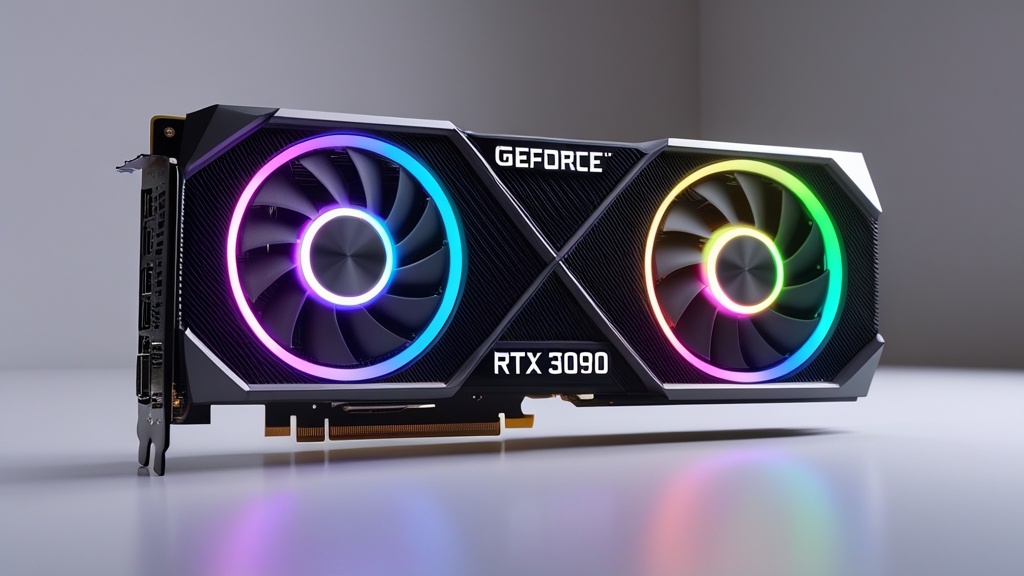
Deep Dive Face-Off: RTX 3090 vs 5080
Past the headline specs, the meaningful differences appear across raw gaming, AI and ray-tracing features, and the day-to-day practicality of running each card. Each dimension points toward a different buyer, which is why the deep dive matters more than a single score.
Architecture and Raw Gaming Performance
In modern rasterized games, the RTX 5080 leads at both 1440p and 4K, using GDDR7 bandwidth and a large L2 cache to overcome its narrower bus. The 3090 still delivers respectable 4K performance, especially in older bandwidth-hungry titles, but it rarely matches the newer card in current releases.
The forward-looking advantage sits with Blackwell. Its architecture is built for the neural-rendering methods showing up in new engines, so the gap is expected to grow as more games adopt them. The 3090 is a fixed performer, while the 5080’s effective output keeps improving through software updates.
For a multi-year purchase, that trajectory matters. A card that gains performance through driver and feature updates is a better long-term value than one that peaked at release, and the 5080 clearly belongs to the former group.
Resolution again refines the picture. At 1440p the 5080 is comfortably ahead and its frame-generation features push already-high frame rates higher, while at 4K the 3090’s wide bus keeps it competitive in a few older, bandwidth-heavy titles. The moment modern ray tracing or upscaling is involved, the newer card reasserts a clear lead, making it the more dependable choice across a varied library rather than a narrow set of legacy games.
Ray Tracing, DLSS 4, and AI Capabilities
Ray tracing is the clearest divide. The 5080’s fourth-generation RT cores handle heavy path-traced workloads far better than the 3090’s second-generation cores, making demanding titles playable on Blackwell where Ampere falters and forces compromises.
DLSS 4 Multi Frame Generation widens the lead by generating extra frames with hardware the 3090 lacks, often turning a marginal frame rate into a comfortably smooth one in supported games. This is a feature gap, not just a performance gap, and it cannot be closed by overclocking the older card.
For local AI, though, the picture is more balanced and favors the 3090 in one important way: its 24 GB buffer can hold larger models, even as the 5080’s fifth-generation Tensor cores execute supported workloads faster. Memory-bound users running large language models or high-resolution generation genuinely benefit from the older card’s extra capacity, which is the main scenario where the 3090 remains the rational choice.
Outside that memory-bound niche, the feature gap is hard to overstate. DLSS 4 and modern ray-tracing hardware are not optional extras in 2026; they increasingly define how new games are built and how smoothly they run at high settings. A card without them is locked out of the techniques that keep performance climbing, which is the core reason the 3090, for all its capacity, struggles to keep pace with the 5080 in current titles.
Power, Thermals, and Real-World Compatibility
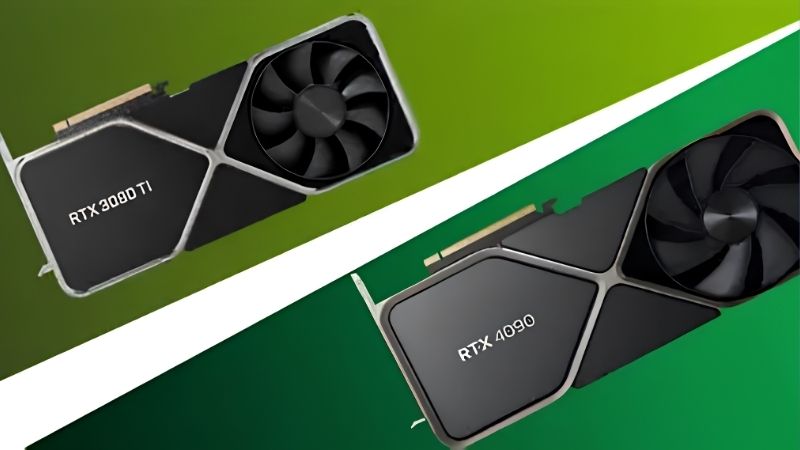
From a build perspective the cards are closer than the 3090 Ti comparison, since both sit around 350 to 360W. Even so, the 5080’s newer process gives it better performance per watt and quieter, cooler operation, and both pair well with an 850W power supply.
Physical fit favors the modern card slightly, as many 5080 designs are more compact than the largest 3090 coolers. If you are reusing a case and power supply, either fits, but the 5080 is the easier long-term companion in a typical mid-tower.
Because the power figures are similar here, the efficiency argument is less about electricity savings and more about delivering more performance for roughly the same draw. In other words, the 5080 gives you more of what you are already paying to power, which is a cleaner win than a simple wattage comparison suggests.
Heat and noise track that efficiency in practice. Because the 5080 turns its power budget into more usable performance, it tends to run cooler and quieter at a given frame rate than the older card working harder to keep up. In a compact case or during long sessions, that translates into a more comfortable, lower-maintenance system, which is a real if easily overlooked advantage of the newer design.
Pros, Cons, Alternatives, and Final Verdict
With the head-to-head done, here is the balanced summary, a sensible third option, and the final recommendation per buyer type so you can apply the analysis to your own needs.
Pros and Cons in the 3090 vs 5080 Matchup
The RTX 5080’s advantages are stronger modern gaming and ray-tracing performance, better efficiency, DLSS 4, next-generation cores, and a lower price than the 3090’s launch cost. Its lone drawback is the 16 GB buffer trailing the 3090 for the heaviest memory tasks.
The RTX 3090’s advantages are its 24 GB buffer and wide 384-bit bus, which still serve memory-intensive creative and AI work well. Its drawbacks are dated ray-tracing hardware, no frame generation, and weaker efficiency relative to modern silicon, leaving it as a specialist choice rather than a general recommendation.
The Alternative: A Third Option Worth Considering
If the 5080’s price or stock is a sticking point and the 3090’s age gives you pause, the RTX 5070 Ti is a strong middle-ground. It brings 16 GB of GDDR7, full DLSS 4 support, and modern efficiency at a lower price, offering most of the Blackwell experience for value-focused builders.
This alternative often settles the debate for budget-conscious buyers, since it preserves the modern feature set and efficiency that make the 5080 appealing while reducing the cost and availability pressure that complicate buying one.
Still, buyers who can comfortably afford the 5080 and who play at higher resolutions will get the fullest experience from it, so the 5070 Ti is best understood as a smart value alternative rather than a clear step up or down. As with the rest of this matchup, the right answer depends on your budget, your resolution, and whether your workload genuinely needs more performance or memory than the mid-tier already provides. For most mainstream buyers who just want a dependable, modern card, the 5070 Ti quietly resolves the choice with the least compromise.
Final Verdict & Recommendation
Buy the RTX 5080 if you are a gamer or creator who wants the best balance of performance, efficiency, and features, which fits most buyers. Buy the RTX 3090 only if you find it cheaply and specifically need its 24 GB buffer for large AI models or heavy rendering. For buyers in between, the 5070 Ti is the smart compromise that captures the modern experience at a friendlier price.
See more:
Recommended Products

ASUS
ASUS Dual GeForce RTX 4060 Ti V2 OC Edition 8GB GDDR6 SFF Compatible with Axial-tech Fan/DUAL-RTX4060TI-O8G-V2 (Renewed)

GIGABYTE
GIGABYTE GeForce RTX 4060 Ti WINDFORCE OC 8G Graphics Card, 2X WINDFORCE Fans, 8GB 128-bit GDDR6, GV-N406TWF2OC-8GD Video Card (Renewed)

ZOTAC
ZOTAC Gaming GeForce RTX 4060 Ti 16GB AMP DLSS 3 16GB GDDR6 128-bit 18 Gbps PCIE 4.0 Compact Gaming Graphics Card, IceStorm 2.0 Advanced Cooling, Spectra RGB Lighting, ZT-D40620F-10M
As an Amazon Associate we earn from qualifying purchases. Product prices and availability are accurate as of the date/time indicated.
Conclusion
The 3090 vs 5080 comparison comes down to modern efficiency and features versus raw legacy capacity. The RTX 5080 is the smarter buy for nearly every gamer and most creators, while the RTX 3090 endures as a memory-rich specialist. With supply tight and component prices rising, the practical path is to buy the card that matches your needs now rather than waiting for a discount the market is unlikely to provide.
Frequently Asked Questions
Is the 3090’s 24GB better than the 5080’s 16GB?
For gaming, no. The 5080’s 16GB of GDDR7 is ample at 4K today and its far higher memory bandwidth matters more than raw capacity. For local AI models, large Blender scenes or high-resolution video work where a model or scene must fit entirely in memory, the 3090’s extra 8GB is genuinely decisive.
Which card is faster at 4K?
The RTX 5080 wins comfortably, typically landing 35 to 50 percent ahead in rasterised 4K and considerably further ahead once ray tracing is enabled, because Blackwell’s RT cores handle heavy bounce counts far better than Ampere. Add DLSS 4 multi frame generation, exclusive to the 50 series, and the practical gap widens again.
How different are the power and PSU requirements?
The RTX 3090 draws 350W with well-documented transient spikes that trip poorly-built units, and typically wants 850W. The 5080 sits at 360W but with far better performance per watt and a single 12V-2×6 connector; a solid 750W to 850W ATX 3.1 supply covers it with room for a modern CPU.
Does the RTX 3090 support DLSS 4?
Partly. The 3090 gets the DLSS 4 transformer model for super resolution and ray reconstruction, which noticeably improves image stability over the old CNN model. It does not get frame generation or multi frame generation, both of which require the Optical Flow hardware in Ada and the improved implementation in Blackwell.
Which is the smarter buy in 2026?
Buy the 5080 new if you mainly game, want ray tracing, multi frame generation and a fresh warranty. A used 3090 only makes sense if you specifically need 24GB for AI or content creation on a budget, and even then you accept an ageing card with heavy GDDR6X heat and no remaining warranty.




Write Your Review
No reviews yet. Be the first to share your experience!